Why Are Panelized Homes Better for Global Buyers?

Why Are Panelized Homes Better for Global Buyers?

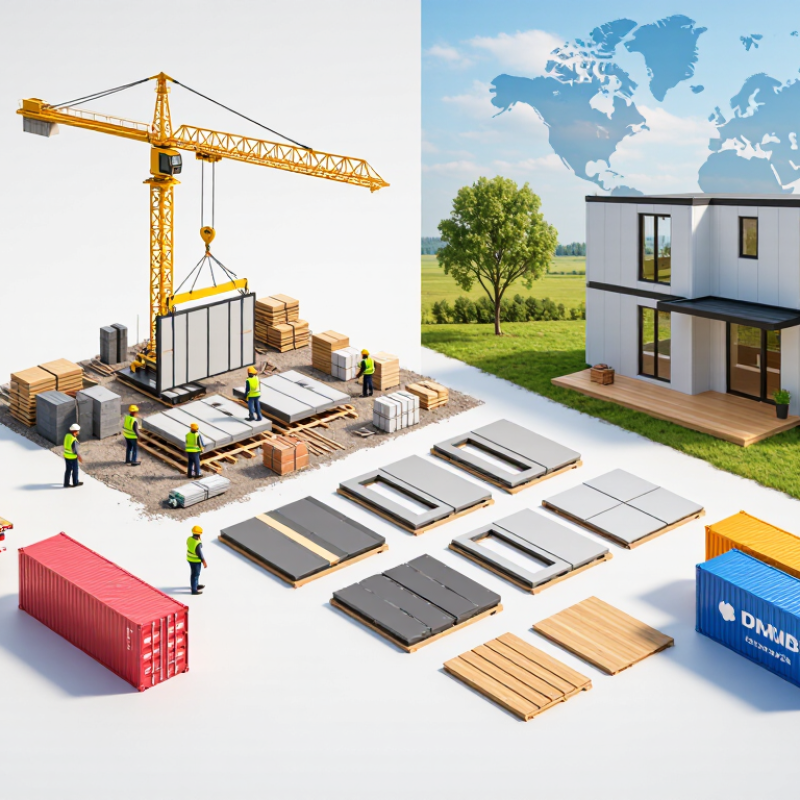
Global buyers increasingly seek homes that are faster to assemble, easier to transport, and more predictable in quality. Panelized homes address these needs through factory-made wall, floor, and roof sections. Workers can install insulation, wiring, and windows under controlled conditions. The finished panels then travel by truck or container before assembly on site. This process can reduce weather delays and material waste.

The evidence is promising. McKinsey & Company’s 2019 report, “Modular construction: From projects to products,” found that modular methods may reduce construction schedules by 20–50% and costs by 20% in suitable projects. The findings concern modular construction broadly, not every panelized home. That distinction matters. UNEP and the Global Alliance for Buildings and Construction report that buildings consume about 30% of global final energy. Better factory precision can support tighter envelopes, especially around windows, corners, and roof joints. Small details matter.

However, panelized homes are not automatically better. Design quality, shipping distance, local skills, and building codes still shape the result. A poorly sealed panel can create moisture problems behind a beautiful interior wall. Buyers should request structural calculations, thermal specifications, fire ratings, and installation records. They should also confirm compliance with local standards before ordering. The International Code Council and national authorities offer useful reference frameworks, but local approval remains essential. The strongest advantage is control, not speed alone. For global buyers, panelized homes may offer a practical balance between customization and efficiency, provided suppliers communicate limitations honestly. That is where confidence begins.
Why Are Panelized Homes Better for Global Buyers?

What Panelized Homes Are and How They Are Built

Panelized homes are built from factory-made wall, floor, or roof sections. These panels are cut, insulated, and sheathed under controlled conditions. Workers then transport them to the site and connect them to the foundation. Think of large, precise building pieces, not a finished house delivered in one box.

The process can reduce weather delays and improve material control. A 2019 report, Modular Construction: From Projects to Products, estimates that modular methods may cut construction schedules by 20–50% and project costs by up to 20%. Panelized construction is not identical to full modular construction, so these figures should not be applied blindly. Local labor, shipping distances, engineering rules, and foundation work still matter.

The panels also help global buyers compare performance more clearly. Factory inspection can reveal uneven insulation, poor sealing, or inaccurate openings before shipment. That matters in hot, cold, and humid climates. The United Nations Environment Programme reported that buildings and construction created 37% of global energy-related and process emissions in 2022. Better insulation may reduce operational energy use, but panel waste and transport remain concerns. Buyers should request drawings, moisture specifications, structural calculations, and test records. Small details matter. A fast factory process can still produce weak results when site installation is rushed.
Why Panelized Construction Suits International Housing Needs

Why Are Panelized Homes Better for Global Buyers?

International housing projects face practical differences that standard building methods often overlook. Panelized construction adapts more easily to local climates, planning rules, and site conditions. Wall, floor, and roof sections are produced in a controlled facility, then transported for assembly. This process can reduce weather-related delays and keep measurements more consistent.

Local requirements still matter. A panel design may need different insulation for a cold region, stronger ventilation for humid weather, or increased resistance to high winds. Experienced project teams review these details with local engineers before production begins. They also check transport routes, lifting access, foundation accuracy, and utility connections. A narrow road can change the entire delivery plan.

Panelized homes can support international buyers who need clearer schedules and predictable quality. Factory work allows repeated inspections, while shorter on-site assembly may reduce labor pressure in remote areas. It also creates a visible construction record, including material specifications and inspection points. That helps buyers compare progress across borders and time zones.

Not every project becomes cheaper. Shipping, customs procedures, local approvals, and foundation work can add unexpected costs. Design changes made too late may be difficult to correct. This is where careful planning matters. Buyers should request regional code reviews, realistic delivery estimates, and written responsibility for each stage. The method is efficient, but it is not automatic. Forecasts can still be wrong.

How Panelized Homes Reduce Costs, Waste, and Building Time

Why Are Panelized Homes Better for Global Buyers?

How Panelized Homes Reduce Costs, Waste, and Building Time

Panelized homes are built from factory-produced wall, floor, and roof sections. This controlled process can reduce material waste caused by weather, cutting errors, and repeated site adjustments. In my experience reviewing off-site construction plans, measured production often creates more predictable budgets. That assumption still needs testing.

Factory work also reduces exposure to rain, wind, and uneven ground conditions. Workers can assemble panels with calibrated tools and repeatable quality checks. Fewer materials are stored outdoors, which lowers damage and theft risks. However, packaging and international shipping can increase expenses. A careful cost comparison must include freight, customs, local labor, and foundation work.

Building time may fall because site preparation and panel manufacturing happen simultaneously. A prepared crew can install large sections within days, rather than constructing every wall on site. This shorter schedule can reduce temporary accommodation, equipment rental, and financing costs. It is not always faster. Delayed permits, limited cranes, or poor road access can erase the advantage.

Global buyers should verify local building codes before placing an order. Climate matters too. Panels for humid coastlines need suitable moisture protection, while cold regions require strong insulation planning. Technical drawings, engineering approvals, and clear installation instructions improve reliability. Even then, small coordination mistakes can cause expensive delays. That part is often underestimated.

Key Design, Shipping, and Installation Factors for Global Buyers

Why Are Panelized Homes Better for Global Buyers?

Key Design, Shipping, and Installation Factors for Global Buyers

For global buyers, design starts before factory drawings. Panel dimensions should match local roads, cranes, and room layouts. Openings, insulation, and electrical routes must follow destination codes. Small errors become expensive when walls cross an ocean. McKinsey’s 2019 modular construction report identified potential schedule reductions of 20–50%. That figure is useful, but not guaranteed. Local engineering still decides the outcome.

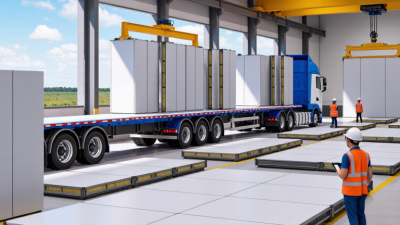
Shipping requires careful volume planning. UNCTAD’s Review of Maritime Transport reports that over 80% of global merchandise trade moves by sea. Panelized systems can reduce cargo volume compared with finished modules. However, packaging must protect edges, membranes, and moisture-sensitive materials. A damaged corner can delay an entire installation. Container availability and port congestion also change project costs. Buyers should request packing diagrams, loading photos, and replacement procedures before production.

Installation is where planning becomes visible. The World Bank’s 2023 Logistics Performance Index compares logistics performance across 139 economies. Customs, infrastructure, and inland transport can vary sharply between destinations. Installation documents should define foundation tolerances, lifting points, fasteners, weather seals, and local inspection steps. Clear numbering on every panel saves time on a windy site. It sounds simple. It is often missed. A perfect factory fit remains an appealing assumption, because uneven foundations and unfamiliar crews can still expose weak planning.

What Global Buyers Should Check Before Purchasing a Panelized Home

Why Are Panelized Homes Better for Global Buyers?

What Global Buyers Should Check Before Purchasing a Panelized Home

Panelized homes can shorten on-site construction and reduce weather-related delays. McKinsey’s 2019 report found that modular construction may cut schedules by 20–50%. However, that figure is not guaranteed for every panelized project. Transport distance, port handling, and local assembly skills can change the result. Check the paperwork.

Before purchasing, confirm that the design meets your building code, wind zone, snow load, fire rules, and insulation requirements. The International Energy Agency reports that buildings account for about 30% of global energy demand. A well-designed envelope matters. Ask for verified U-values, air-leakage results, moisture protection details, and ventilation specifications. Moisture is unforgiving. Request independent inspection records, not only factory photographs. Confirm who handles foundation tolerances, utility connections, and site drainage.

The contract should clearly define panel dimensions, packaging, delivery responsibility, damage claims, installation standards, and warranty coverage. Currency changes can also affect the final cost. The Modular Building Institute’s industry reporting shows continued growth in off-site construction, yet market practices vary widely by country.

Do not assume a factory certificate replaces local approval. Insurance availability, replacement-part access, and qualified installers deserve equal attention. A cheaper imported panel may become expensive after storage, customs clearance, or redesign. That possibility is easy to underestimate.