Why Choose Small Modular Homes for Affordable Living?
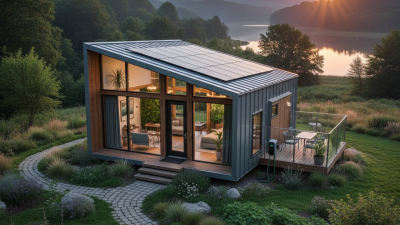
The rise of small modular homes presents an innovative solution for affordable living. According to a report by the Modular Building Institute, the modular construction market is expected to grow significantly, with an estimated worth of $157 billion by 2023. This growth reflects a rising demand for affordable housing options. Small modular homes, often eco-friendly and cost-effective, can be a practical choice for many.
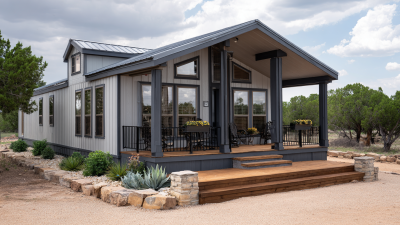
These homes are typically built off-site and assembled quickly, reducing labor costs. A 2023 study highlighted that investing in small modular homes can lower construction waste by up to 90%. Despite their advantages, some still question their longevity and aesthetic appeal. This hesitation can stem from traditional views on housing. Yet, many small modular homes boast modern designs that meet diverse needs.
While small modular homes offer appealing financial benefits, potential buyers should consider local zoning regulations and community acceptance. A well-informed choice in this realm can lead to improved living conditions. Embracing these homes could reshape our approach to affordable living in the future.
Advantages of Small Modular Homes in Cost-Effective Living
Small modular homes are gaining popularity for their affordability. These homes are typically smaller than traditional houses. They offer efficiency and simplicity. With minimal square footage, they require less energy to heat and cool. This can lead to significant savings over time. The design is often open and functional, allowing for versatile living spaces.
One of the major advantages is the reduced construction time. These homes can be built off-site and transported to their permanent location. This can significantly shorten the building process. However, it may also limit customization options. Buyers may need to weigh their desire for a personalized home against the benefits of quick construction.
Moreover, small modular homes require less maintenance. Fewer materials mean less wear and tear over time. Yet, residents should reflect on whether their compact spaces meet all their needs. Rethinking storage solutions and multifunctional furniture may be necessary. Balancing comfort with limited space can be a challenge, but it’s a rewarding journey towards affordable living.
Design Flexibility and Customization Options in Modular Homes
In the world of housing, small modular homes stand out for their design flexibility. Homeowners can customize various aspects. This includes layout, materials, and fixtures. Such choices make these homes unique. Choose colors that reflect your style. Add features that enhance functionality. Every detail can be modified according to personal taste.
The ability to tailor these homes encourages creativity. You might find it challenging to decide among options. A blend of practicality and aesthetics is essential. Sometimes, though, the choices may feel overwhelming. It’s crucial to reflect on what truly matters. Is it space? Or perhaps it's the feeling of warmth? This introspection can guide your decisions.
Small modular homes also offer efficient use of space. Every corner can serve a purpose. Imagine a cozy nook by the window or a multi-functional room. However, balancing design with functionality can be tricky. Not every idea translates well into reality. Engaging with designers and builders can help refine your vision. It’s an ongoing process where adjustments may be necessary. Embracing imperfection can lead to unexpected inspiration.
Sustainability Features of Small Modular Homes
Small modular homes have emerged as a popular option for affordable living. Their sustainability features are noteworthy. These homes are often built with eco-friendly materials. According to the U.S. Department of Energy, modular homes use about 20% less energy than traditional homes. This energy efficiency leads to significant cost savings over time.
Water conservation is another important aspect. Many small modular homes incorporate rainwater harvesting systems. This practice can reduce water usage by up to 50%. Sustainable materials, such as recycled steel and reclaimed wood, minimize environmental impact. However, not all modular homes meet high sustainability standards. It's crucial for buyers to do thorough research.
Proper insulation is essential in these homes. Poor insulation can lead to higher heating costs. This is a challenge in some designs. Moreover, the construction methods might not always prioritize sustainability. Buyers need to stay informed and choose wisely. Ultimately, while small modular homes present great potential for sustainable living, careful selection is vital for actual eco-friendliness.
Why Choose Small Modular Homes for Affordable Living? - Sustainability Features of Small Modular Homes
| Feature |
Description |
Benefits |
| Energy Efficiency |
Utilizes high-efficiency heating and cooling systems, insulated walls, and energy-efficient windows. |
Reduces utility bills and lowers carbon footprint. |
| Sustainable Materials |
Constructed using recycled or sustainably sourced materials. |
Minimizes environmental impact and promotes responsible sourcing. |
| Reduced Waste |
Built in factory settings that minimize construction waste. |
Lowered construction costs and environmental footprint. |
| Smart Home Technology |
Equipped with smart devices that optimize energy use. |
Enhances home efficiency and user convenience. |
| Compact Design |
Efficient use of space with multifunctional rooms. |
Lower construction and maintenance costs. |
Community Living and Social Benefits of Modular Home Neighborhoods
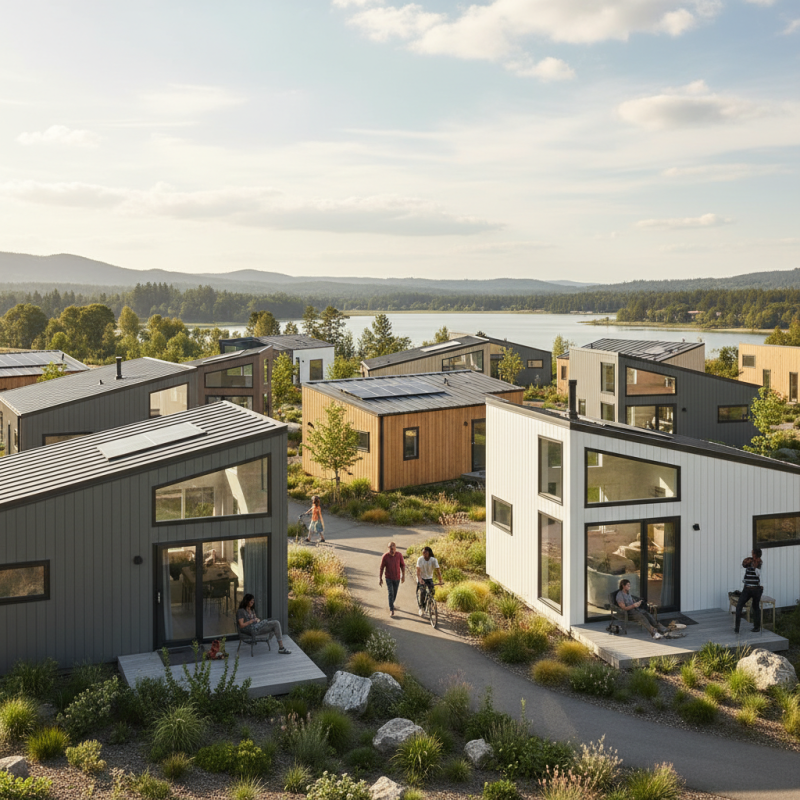
Community living in modular home neighborhoods offers unique social benefits. These homes promote interaction among residents. Smaller spaces encourage gatherings. People can easily make connections. Shared amenities can also foster a sense of belonging. According to a report by the National Association of Home Builders, communities with smaller homes often see a 30% increase in social engagement compared to traditional neighborhoods.
Living in modular homes can also improve mental well-being. Less clutter often leads to reduced stress. Residents have more time to spend with each other. This environment can be beneficial for families. Children in such communities may develop stronger friendships. Yet, some might feel that close quarters could lead to conflicts. Balancing privacy and community interaction can be challenging.
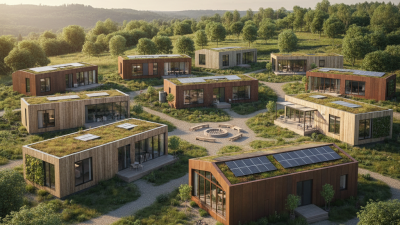
Furthermore, modular neighborhoods often feature green spaces and communal areas. An extensive study by the American Planning Association shows that access to parks can enhance community connectivity. People are more likely to engage in outdoor activities. However, not all designs maximize these opportunities. Some layouts may isolate residents rather than bringing them together. It’s important to thoughtfully plan these spaces to ensure they foster the intended social benefits.
Benefits of Small Modular Homes for Affordable Living
Small modular homes provide various social benefits, including significant cost savings, enhanced community interaction, better environmental impact, potential for customization, and lower maintenance costs. This chart illustrates the perceived benefits of choosing small modular homes for affordable living.