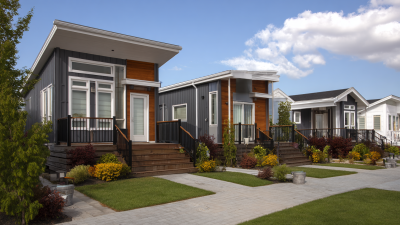
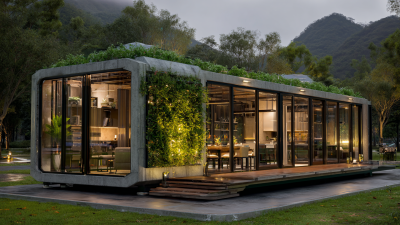
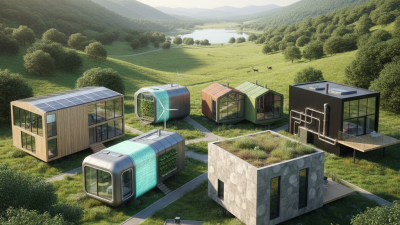
Why Are Small Modular Homes Gaining Popularity in Modern Housing?

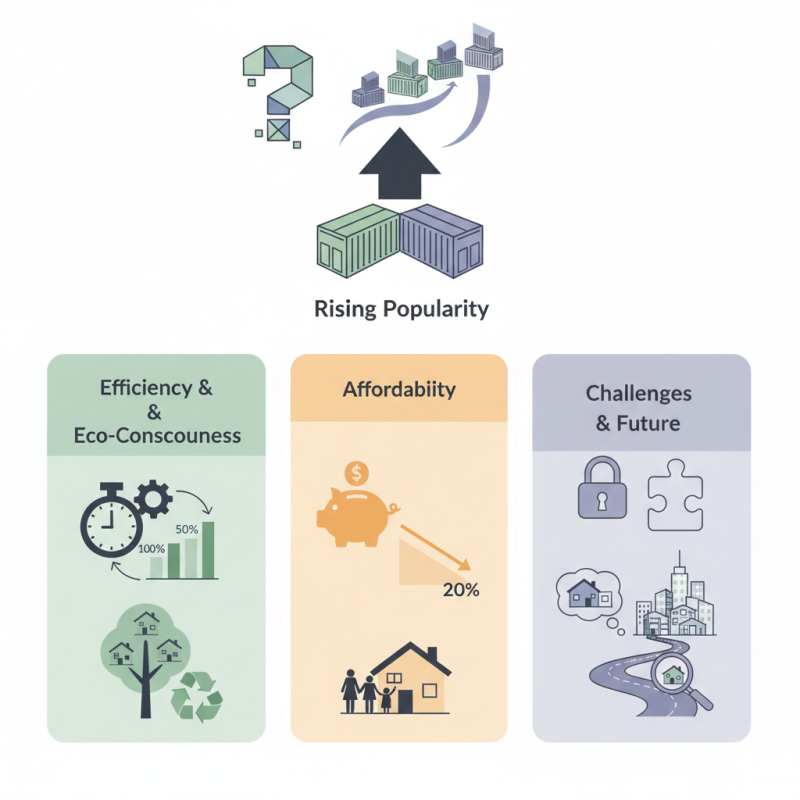
The rise of small modular homes reflects shifting preferences in modern housing. Data from the National Association of Home Builders shows that these homes can reduce construction time by up to 50%. With smaller living spaces, they often require less land and resources, appealing to eco-conscious buyers.

Affordable housing is a pressing issue. Small modular homes offer a solution. A report from McKinsey indicates that modular construction can cut costs by 20% compared to traditional building methods. This affordability is crucial for many families struggling with high property prices.

However, the appeal of small modular homes isn't without challenges. Limited customization can frustrate some buyers. Additionally, local zoning laws may hinder their acceptance in certain areas. Overall, small modular homes reflect a growing trend towards practicality and sustainability in housing, while also prompting critical conversations about our housing future.
Why Are Small Modular Homes Gaining Popularity in Modern Housing?

Factors Contributing to the Popularity of Small Modular Homes

The rise of small modular homes reflects a significant shift in modern housing preferences. Many people are drawn to the efficiency these homes offer. They typically require less land, making them ideal for urban settings. Smaller spaces promote minimalism, which resonates with today’s values. For some, it’s about scaling down and enjoying life with less clutter.

Affordability is another critical factor. Small modular homes often have lower costs of construction and maintenance. This can make homeownership more accessible, especially for young buyers. However, some still question the sacrifices made for lower prices, like reduced living space or fewer amenities. Many homeowners also face zoning challenges that can complicate building these homes, causing frustration and delays.

Sustainability plays a major role as well. Compact designs often use fewer materials and energy, appealing to eco-conscious buyers. But not every small modular home showcases sustainable practices effectively. There is room for improvement in construction methods and energy efficiency. People are excited, yet they seek assurance that these homes are built to last.

Why Are Small Modular Homes Gaining Popularity in Modern Housing? - Factors Contributing to the Popularity of Small Modular Homes

Factors Description Impact on Popularity
Affordability Lower construction and operational costs compared to traditional homes. Increased accessibility for first-time buyers and low-income families.
Sustainability Built with eco-friendly materials and efficient energy systems. Appeals to environmentally conscious consumers.
Customization Easily customizable designs to fit individual needs and preferences. Enhances consumer satisfaction and attracts diverse buyers.
Speed of Construction Faster assembly compared to traditional stick-built homes. Minimizes time to move in, appealing to eager homebuyers.
Mobility Some modular homes can be relocated easily if necessary. Attracts buyers looking for flexible living solutions.
Community Integration Can be designed to fit in with existing communities and neighborhoods. Encourages buyer acceptance and community harmony.

Environmental Sustainability and Eco-Friendliness in Modular Housing

Why Are Small Modular Homes Gaining Popularity in Modern Housing?

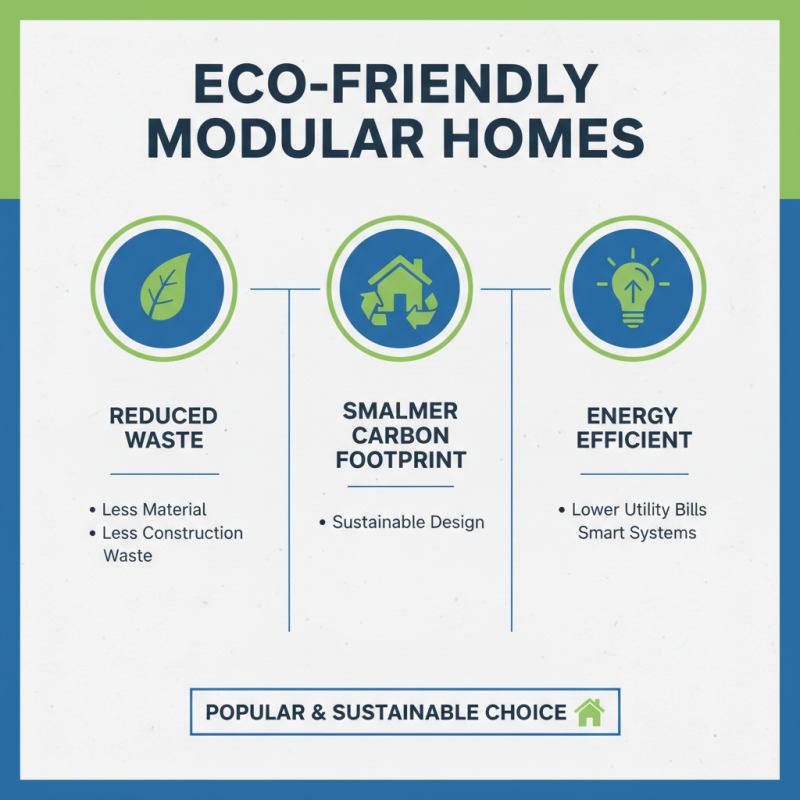
Small modular homes are becoming a popular choice due to their eco-friendliness. These homes are designed with sustainability in mind. They use less material and produce less waste during construction. This means a smaller carbon footprint compared to traditional homes. Many modular homes also feature energy-efficient systems, which can reduce utility bills.

Tips for choosing eco-friendly materials: Opt for recycled or sustainably sourced materials. Look for insulation with a low environmental impact. Consider finishes that minimize harmful chemicals. Each decision adds to the overall sustainability of the home.

The design of modular homes often promotes efficient use of space. This efficiency can lead to lower energy consumption. However, not all modular homes are created equal. Some may still use outdated materials that harm the environment. It's essential to research and verify that the homes meet modern sustainability standards.

Tips for assessing eco-friendliness: Check for certifications that indicate energy efficiency. Investigate the company's commitment to sustainable practices. Ask about the lifecycle of the materials used. Finding a truly eco-friendly modular home may take time, but it's worth the effort.

Cost-Effectiveness: Affordability of Small Modular Homes

Small modular homes are becoming a popular choice for modern living. One key reason is their cost-effectiveness. These homes are typically less expensive to build and maintain than traditional houses. Many people find themselves feeling overwhelmed by soaring property prices. A small modular home offers an achievable solution.

Building costs are lower since these homes can be constructed off-site. This process reduces waste and labor costs. Affordability doesn't mean sacrificing quality. Many modular homes use durable materials and efficient designs. They often come with energy-saving features that lead to lower utility bills.

**Tip:** Consider your needs carefully before purchasing. Calculate your budget and explore financing options.

Living in a smaller space can have its challenges. Some may find it hard to adjust to downsizing. However, a smaller home encourages minimalism and efficient use of space. You might discover that you can live comfortably with less.

**Tip:** Embrace a clutter-free lifestyle. Declutter your belongings to create a welcoming environment. Reducing unnecessary items can enhance your living experience.

Design Flexibility and Customization Options in Modular Construction

The rise of small modular homes is closely tied to their design flexibility. These homes can be customized to fit diverse lifestyles. The ability to adapt spaces to personal needs attracts many buyers. For example, a smaller family may prefer an open-plan living area. Meanwhile, larger families can opt for additional bedrooms. This customization fosters a sense of ownership and creativity in home design.

Modular construction allows for various materials and layouts. Homeowners can choose eco-friendly options, enhancing sustainability. Additionally, some prefer more traditional aesthetics, while others lean towards modern styles. The modular approach makes it easy to incorporate these preferences. However, challenges remain. Some homeowners might struggle with over-customization. Balancing personal style with resale value is vital. It’s crucial to reflect on future needs when designing these spaces. This thought process adds depth to the construction journey.

Furthermore, the efficiency of modular homes often leads to unexpected choices. Homeowners may trade off space for unique designs. Knowing when to compromise can be a tough decision. Each choice shapes the living experience. Ultimately, these factors contribute significantly to the appeal of small modular homes.

Why Are Small Modular Homes Gaining Popularity?

Community and Lifestyle Trends Supporting Small Modular Home Living

The trend of small modular homes is reshaping modern living. A report from the National Association of Home Builders indicates a growing preference for compact, efficient housing. In 2022, 55% of buyers expressed interest in homes under 1,500 square feet. This shift reflects a desire for simpler living and reduced environmental impact.

Community values are playing a key role in this trend. Small modular homes often promote closer connections among neighbors. They foster a sense of belonging in urban spaces. According to a recent study, 70% of people living in smaller communities report feeling more engaged. Lesser square footage leads to shared resources and interactions, which enrich community life.

Yet, this movement isn’t flawless. Some small home designs may lack privacy. Residents sometimes find it challenging to balance personal space with fun communal activities. Not all families can adapt easily to smaller living conditions. Despite these hurdles, the appeal of small modular homes continues to grow. More people are looking for a lifestyle that prioritizes community and sustainability.