Top 10 Reasons to Choose Prefab Units for Your Next Construction Project?
In recent years, the construction industry has seen a significant shift towards prefab units. A report from Grand View Research highlights that the modular construction market is expected to reach $157 billion by 2023. Prefab units offer faster construction times and reduced labor costs. These benefits are becoming increasingly attractive to project managers and developers alike.
However, despite the clear advantages, many still question the durability and customization options of prefab units. An analysis by McKinsey reveals that modular building processes can reduce project timelines by up to 50%. Yet, not all prefab units meet the high standards required for durability and sustainability. Addressing these concerns requires careful selection of materials and designers.
As the industry evolves, the importance of understanding prefab technology cannot be overstated. The National Association of Home Builders notes that 78% of builders are considering prefab options. This statistic showcases an industry at the brink of change, driven by efficiency and innovation. Choosing prefab units may seem straightforward, but awareness of these complexities is crucial for successful implementation.
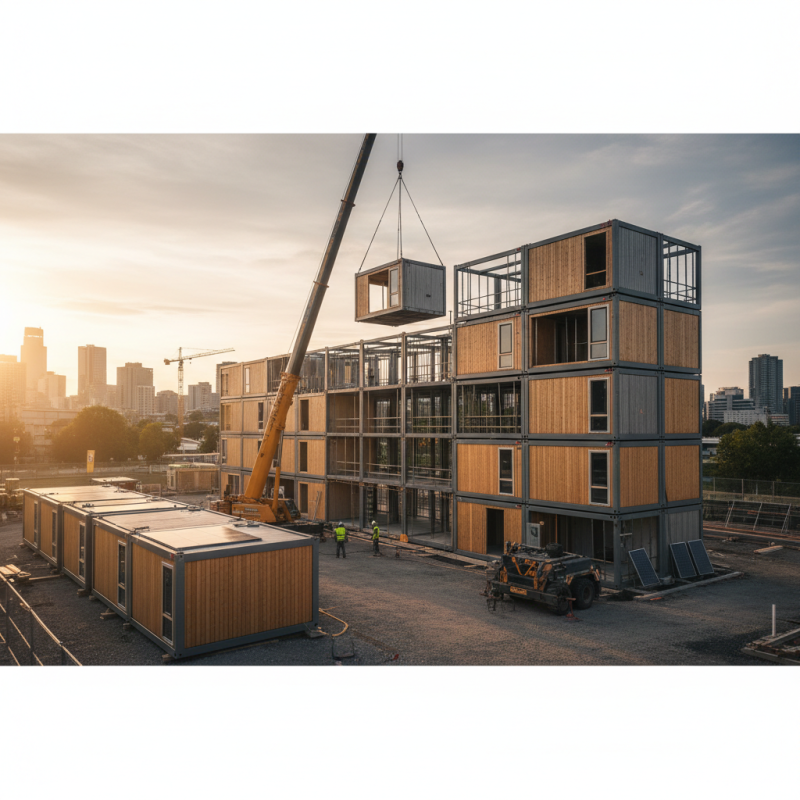
Benefits of Prefab Units: Time Efficiency and Project Timelines
Prefab units are gaining popularity in the construction industry. One of their key advantages is time efficiency. These units are manufactured off-site, allowing for simultaneous construction activities. This significantly reduces delays caused by weather and site preparation. Projects that use prefab options often finish months ahead of schedule.
Another benefit is the streamlined assembly process. Prefab units come with most components pre-assembled. This minimizes on-site labor needs and accelerates installation. However, this does not mean all projects go off without a hitch. Communication is crucial to ensure all parts arrive correctly. Miscommunication can lead to setbacks that might disrupt timelines.
Moreover, reduced construction time can also impact costs. Shorter project durations mean less expenditure on labor and equipment. Yet, there can be unexpected expenses if modifications are needed on-site. If the delivered units don’t meet exact specifications, adjustments may delay completion. Being proactive and planning with precision helps mitigate those risks.
Benefits of Prefab Units: Time Efficiency and Project Timelines
Cost-Effectiveness of Prefab Construction in Budget Management
Prefab units have gained popularity in the construction industry, particularly for their cost-effectiveness. These structures are built off-site using modular components, reducing many on-site expenses. With lower labor costs and faster construction timelines, budget management becomes simpler. For instance, a project may save up to 20% compared to traditional building methods.
Another aspect to consider is the reduced waste generated during construction. Prefab units are designed with precision, minimizing excess materials. This not only lowers costs but also supports sustainability, an increasingly important factor in project planning. However, not all prefab solutions fit every project perfectly. Designers may need to compromise on custom features or specific layouts.
Choosing prefab doesn't guarantee savings. Costs can escalate if modifications are required late in the process. It's essential to plan carefully and communicate clearly with contractors. Regular reassessment of the project scope helps in maintaining control of the budget. Ultimately, weighing the pros and cons can lead to smart financial decisions in construction.
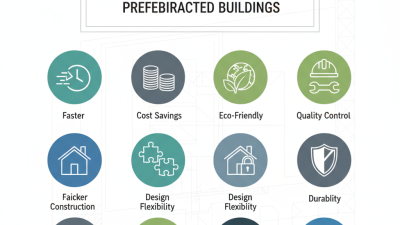
Top 10 Reasons to Choose Prefab Units for Your Next Construction Project
| Reason |
Description |
Cost Impact (%) |
| Time Efficiency |
Prefab units can reduce construction time significantly, allowing for quicker project completion. |
15% |
| Reduced Labor Costs |
Less on-site labor is required due to modular construction methods. |
20% |
| Material Efficiency |
Off-site manufacturing minimizes waste and optimizes resource use. |
10% |
| Consistent Quality |
Precision manufacturing in factories leads to higher quality standards. |
5% |
| Design Flexibility |
Prefab units can be customized easily to meet specific project needs. |
Variable |
| Reduced Project Delays |
Less susceptibility to weather-related delays due to factory production. |
12% |
| Sustainability |
Utilizing sustainable materials helps reduce the environmental footprint. |
8% |
| Safety |
Controlled manufacturing environments reduce on-site hazards. |
Variable |
| Inventory Management |
Less need to manage materials on-site due to efficient off-site stock. |
6% |
| Scalability |
Easier to scale projects up or down as needed with prefabricated units. |
Variable |
Sustainability: Environmental Impact of Prefab Unit Manufacturing
Prefab units offer a sustainable alternative to traditional construction methods. They are manufactured off-site, minimizing waste and energy consumption. This process reduces the environmental footprint significantly. Prefabrication often involves materials that are recyclable. This leads to less strain on natural resources. The result is a more efficient building approach.
Consider the energy efficiency of prefab units. They are designed with modern insulation techniques, improving energy consumption over their lifespan. Efficient design means lower heating and cooling costs. Yet, it’s crucial to evaluate the environmental impact of materials used. Not all prefab materials are created equal. Some may not align with sustainable practices.
Tips: Always inquire about the sourcing of materials used in prefab units. Look for certifications or eco-labels that ensure environmental responsibility. Regularly reflect on the long-term benefits of choosing sustainable options. The right choices today can lead to a greener tomorrow. Remember, every small change contributes to larger positive impacts.
Quality Control in Prefab Construction: Industry Standards and Practices
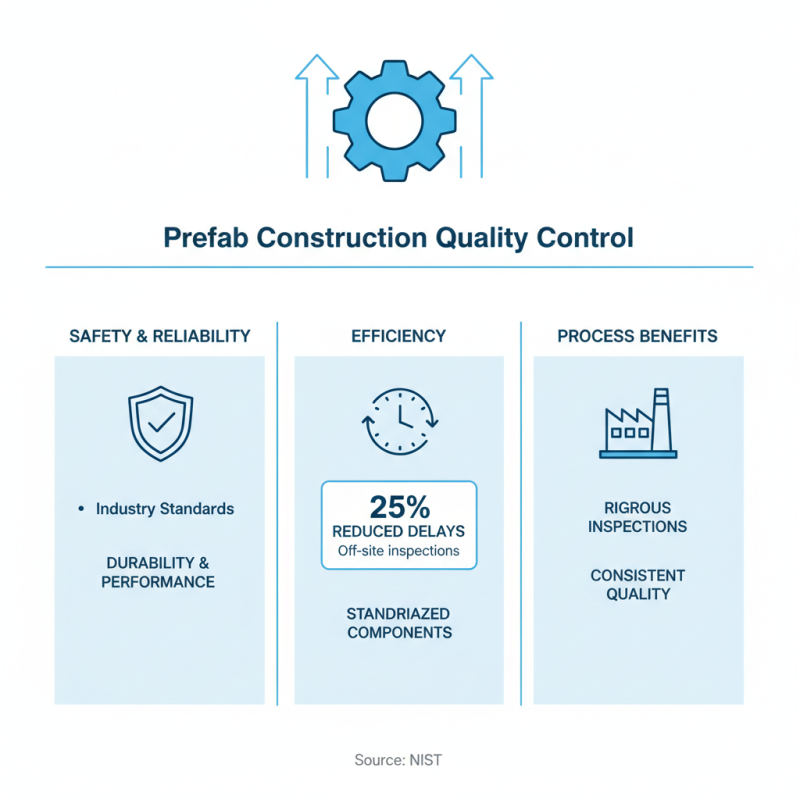
Quality control in prefab construction is crucial for delivering safe and reliable structures. Industry standards are set to ensure that prefab units meet specific durability and performance criteria. According to the National Institute of Standards and Technology, prefabricated structures can reduce construction delays by up to 25%. This efficiency is often attributed to rigorous off-site inspections and standardized components.
However, the quality control process is not without its challenges. Some modular units may face issues due to incomplete documentation or poor communication among manufacturers. In a recent industry report, 30% of builders highlighted inconsistencies in material quality as a concern. Such drawbacks underscore the importance of thorough quality checks at every stage of production, from raw material sourcing to final assembly.
Moreover, embracing advanced technologies, such as Building Information Modeling (BIM), can significantly enhance quality control efforts. A study indicated that construction projects employing BIM saw a 15% decrease in rework costs. Yet, not all companies are utilizing these tools effectively. Many still rely on outdated methods, risking oversight in quality assurances. The construction industry must address these gaps to fully realize the potential benefits of prefab units.
Flexibility and Customization in Prefab Design for Unique Needs
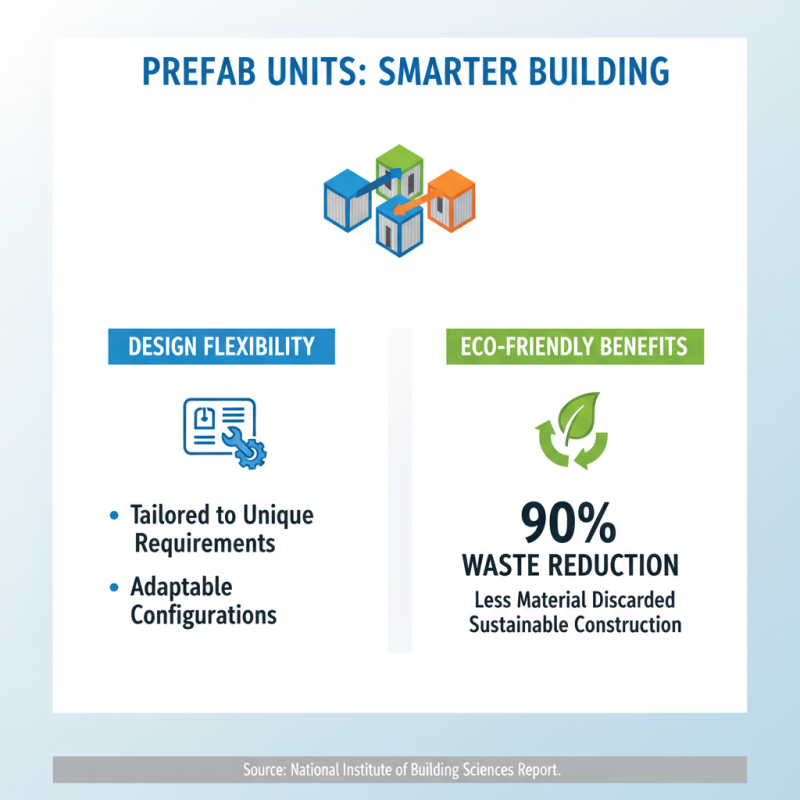
Prefab units offer exceptional flexibility in design. This aspect is crucial for construction projects with unique requirements. According to a report by the National Institute of Building Sciences, the modular approach can reduce waste by up to 90%. This statistic emphasizes the eco-friendly benefits of prefab units, often overlooked in traditional construction methods.
Customization is another significant factor. Prefab units can be tailored to various needs, from residential homes to commercial spaces. A study by McKinsey states that 60% of construction firms recognize the need for faster builds without compromising quality. Prefab units meet this need. They allow for modifications in layout, materials, and finishes, accommodating diverse aesthetic preferences.
However, customization isn’t always seamless. While flexibility is beneficial, it sometimes results in longer lead times for manufacturing. Striking a balance between unique design and efficiency can pose challenges for project managers. It’s essential to plan meticulously to ensure that individual needs are met without delaying project timelines.