What is a Prefabricated Home and How Does It Work for Modern Living
In recent years, pre fabricated homes have gained significant attention as a viable solution for modern living, offering a blend of affordability, sustainability, and efficiency. According to a report by the US Department of Housing and Urban Development, prefabricated homes can reduce construction time by up to 50% compared to traditional building methods, making them an attractive option for those seeking faster occupancy. As urbanization continues to rise, with more than 55% of the global population living in urban areas as of 2020, the demand for innovative housing solutions that meet both budgetary constraints and environmental considerations has never been more pressing.
Moreover, the prefabricated housing industry has been experiencing robust growth, with a projected annual growth rate of over 6% through the next decade, as reported by industry analysts. This growth is driven by an increasing awareness of sustainable building practices, as prefabricated homes often utilize eco-friendly materials and energy-efficient designs that align with contemporary architectural trends. By understanding what prefabricated homes are and how they function, prospective homeowners can make informed decisions that cater to their lifestyles while contributing positively to the environment.
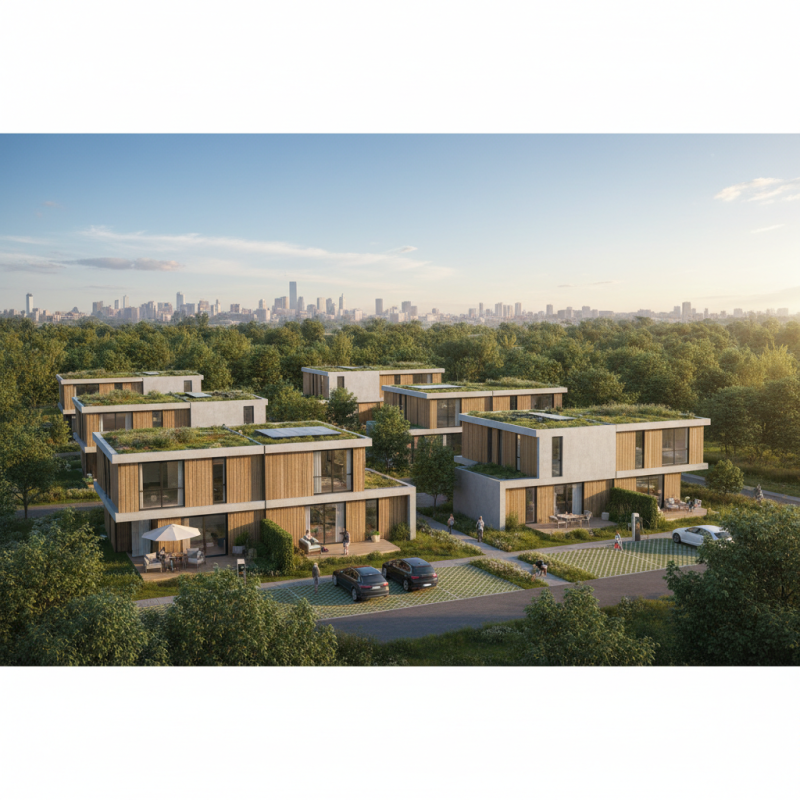
Definition of Prefabricated Homes and Their Key Characteristics
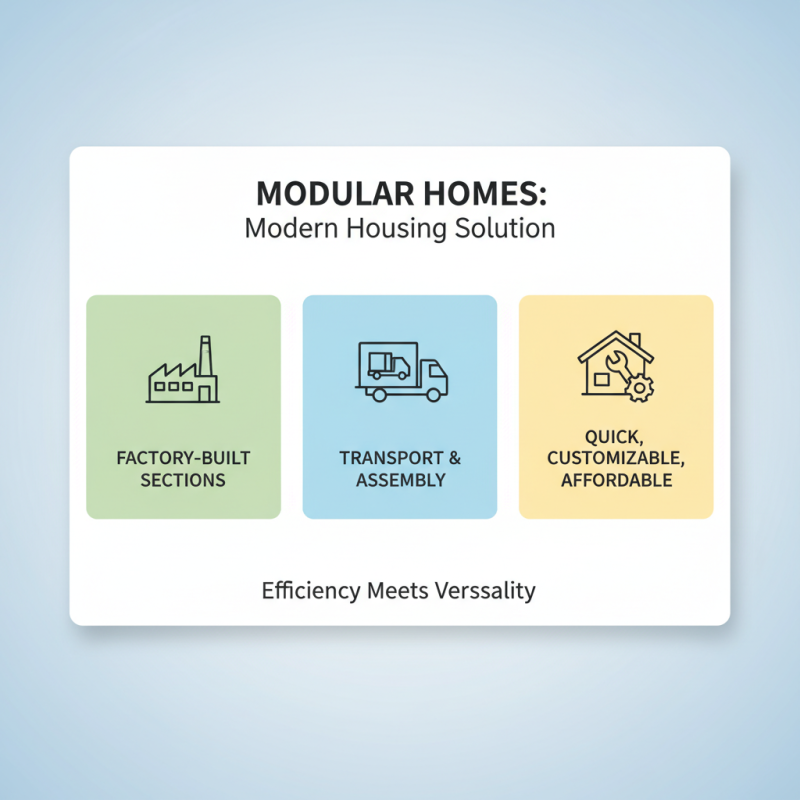
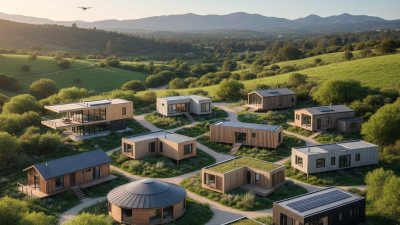
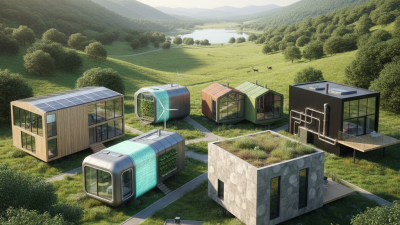
Prefabricated homes, often referred to as prefab homes, are residential structures built off-site in a controlled factory environment before being transported to their final location for assembly. This approach contrasts with traditional construction methods, where homes are built entirely on-site. One of the key characteristics of prefabricated homes is their modular nature, which allows them to be constructed from standardized sections or modules. This modularity not only accelerates the building process but also enhances design flexibility, permitting homeowners to customize layouts to suit their individual needs.
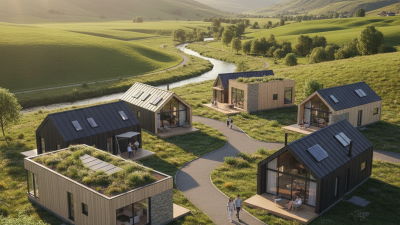
Another distinctive feature of prefabricated homes is their energy efficiency and sustainable construction practices. Many prefab homes are designed with eco-friendly materials and energy-efficient systems, leading to lower energy consumption and reduced environmental impact. Additionally, the precise manufacturing processes involved in prefab construction often result in less waste compared to traditional building methods. These homes also offer the advantage of reduced construction time, enabling families to move into their new dwellings quicker without compromising on quality or aesthetics.
Types of Prefabricated Homes: Modular, Panelized, and Manufactured
Prefabricated homes have gained popularity as a modern solution to housing needs, offering various types designed to meet diverse preferences. Among these types, modular homes are a prominent choice. These are constructed in sections or modules in a factory setting and then transported to the building site for assembly. The modular approach allows for customization in design while ensuring a quicker construction time, often leading to reduced costs. With the ability to be tailored to individual specifications, modular homes combine efficiency with versatility, making them an attractive option for many homebuyers.
Another type of prefabricated dwelling is panelized homes, which consist of pre-cut panels that include walls, floor systems, and roofs. These panels are fabricated in advance and can be assembled on-site to create a complete home. This method allows for significant flexibility in design, as homeowners can select from various architectural styles and configurations. Additionally, panelized homes often benefit from enhanced energy efficiency due to their precision construction, which minimizes material waste and improves insulation.
Lastly, manufactured homes, commonly referred to as mobile homes, are built on a permanent chassis and are transported to their locations. Unlike modular or panelized homes, they are entirely constructed off-site and can be placed on a foundation or left mobile. This type of prefabricated home provides an affordable housing option while allowing for rapid setup. Overall, the variety within prefabricated homes reflects the evolving needs of modern living, offering practicality and efficiency to suit different lifestyles.
Construction Process: How Prefabricated Homes Are Built and Delivered
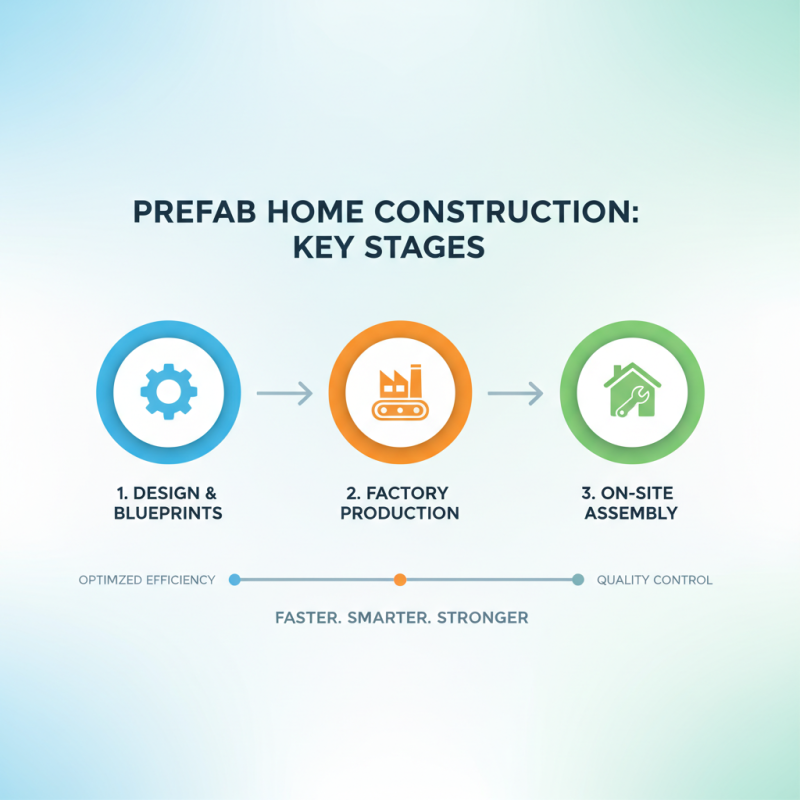
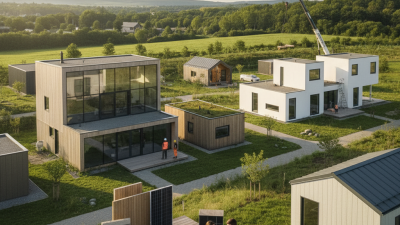
The construction process of prefabricated homes involves several key stages, each designed to optimize efficiency and quality. Initially, the design phase utilizes advanced software to create detailed blueprints that meet specific client needs and local building codes. Once finalized, the production phase begins in a controlled factory environment. Here, various components, such as walls, floors, and roofing systems, are crafted with precision. This factory setting allows for better quality control and minimizes delays caused by weather or other external factors that can affect traditional construction sites.
After the components are manufactured, they are transported to the building site where assembly takes place. The delivery process is orchestrated to ensure that all pieces arrive on schedule and are in perfect condition. Once on-site, a skilled crew assembles the prefabricated sections, often taking only a matter of days to complete the entire structure. The streamlined timeline not only reduces labor costs but also allows families to move into their new homes much quicker than with conventional building methods. As a result, prefabricated homes represent a modern solution to efficient housing, blending innovative construction techniques with practical living solutions.
Advantages of Prefabricated Homes for Modern Living Solutions
Prefabricated homes are increasingly becoming a popular choice for modern living solutions due to their numerous advantages. One of the most significant benefits is efficiency in construction. According to the National Association of Home Builders, prefabricated homes can reduce build times by 30-50% compared to traditional construction methods. This quick assembly allows homeowners to move in sooner, responding to the urgent need for housing in rapidly growing urban areas. Furthermore, prefabricated homes often utilize advanced manufacturing techniques that ensure better quality control, resulting in sturdy structures that comply with stringent building standards.
Another advantage of prefabricated homes is their resource efficiency. A report from the Harvard Joint Center for Housing Studies highlights that these homes generate less waste during construction—up to 90% less compared to conventional building methods. This reduction in waste not only minimizes environmental impact but also translates to cost savings for homeowners. Additionally, many prefabricated homes are designed with energy efficiency in mind, featuring high-performance insulation and energy-efficient appliances that can lead to lower utility bills. As sustainability continues to be a pressing concern, prefabricated homes offer a compelling solution that aligns with the modern demand for eco-friendly living options.
What is a Prefabricated Home and How Does It Work for Modern Living - Advantages of Prefabricated Homes for Modern Living Solutions
| Feature |
Description |
Advantages |
Considerations |
| Cost Efficiency |
Lower construction costs due to factory production. |
Reduces overall housing expenses. |
Initial setup costs may vary. |
| Construction Time |
Quicker build time compared to traditional homes. |
Faster move-in dates. |
Dependent on shipment and placement. |
| Sustainability |
Use of eco-friendly materials and processes. |
Lower carbon footprint. |
Not all prefabs prioritize sustainability. |
| Customization |
Options for personalizing designs and layouts. |
Tailored living spaces. |
May limit options to specific models. |
| Quality Control |
Built in a controlled environment reducing defects. |
Higher quality finishes and structures. |
Dependent on manufacturer standards. |
Environmental Impact and Sustainability of Prefabricated Housing Options
Prefabricated homes are gaining traction in modern living due to their potential for sustainability and reduced environmental impact. According to a report from the National Association of Home Builders, prefabricated construction can generate up to 90% less waste compared to traditional building methods. This is largely because these homes are manufactured in controlled environments, which allows for precise material use and minimizes excess. Furthermore, prefabricated homes often incorporate eco-friendly materials, contributing to a lower carbon footprint throughout their lifecycle.
One of the most significant environmental benefits of prefabricated housing is energy efficiency. A study by the U.S. Department of Energy found that well-designed prefabricated homes can achieve energy savings of 30% to 50% compared to conventional homes. This efficiency not only reduces utility bills for homeowners but also minimizes greenhouse gas emissions, supporting a transition to greener living. The integration of renewable energy systems, such as solar panels, is also more feasible in prefabricated designs, further enhancing sustainability.
Tips: When considering a prefabricated home, look for options that offer sustainable materials and energy-efficient designs. Always inquire about the home’s insulation standards and the availability of renewable energy integration to maximize your home's environmental performance. Additionally, research manufacturers that prioritize sustainable practices and adhere to green building certifications.
Environmental Impact of Prefabricated Homes vs Traditional Homes