Why Are Modular Built Homes Gaining Popularity in Sustainable Living?
Modular built homes are becoming increasingly popular as more people seek sustainable living solutions. These homes, constructed off-site and assembled quickly, are not just energy-efficient but also cost-effective. As expert Emily Greene from Eco-Housing Solutions states, "Modular built homes represent a future where efficiency meets sustainability."
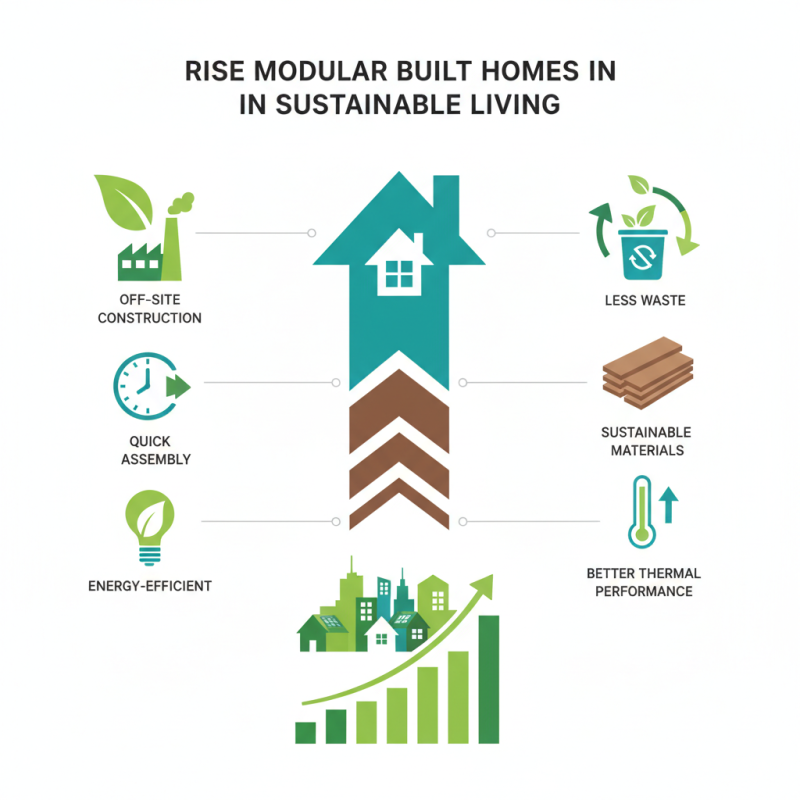
The appeal lies in their environmental benefits. Modular built homes produce less waste during construction. They use sustainable materials and offer better thermal performance. These homes can significantly reduce energy consumption, which is a critical factor in today's climate crisis.
However, this rapid rise in popularity raises questions. Are modular homes receiving the attention they deserve? Some critics argue that the industry lacks standardization. This could lead to inconsistencies in quality and design. While modular built homes offer a promising solution for sustainable living, it's essential to reflect on these challenges as the market evolves.
The Concept of Modular Built Homes in Sustainable Living
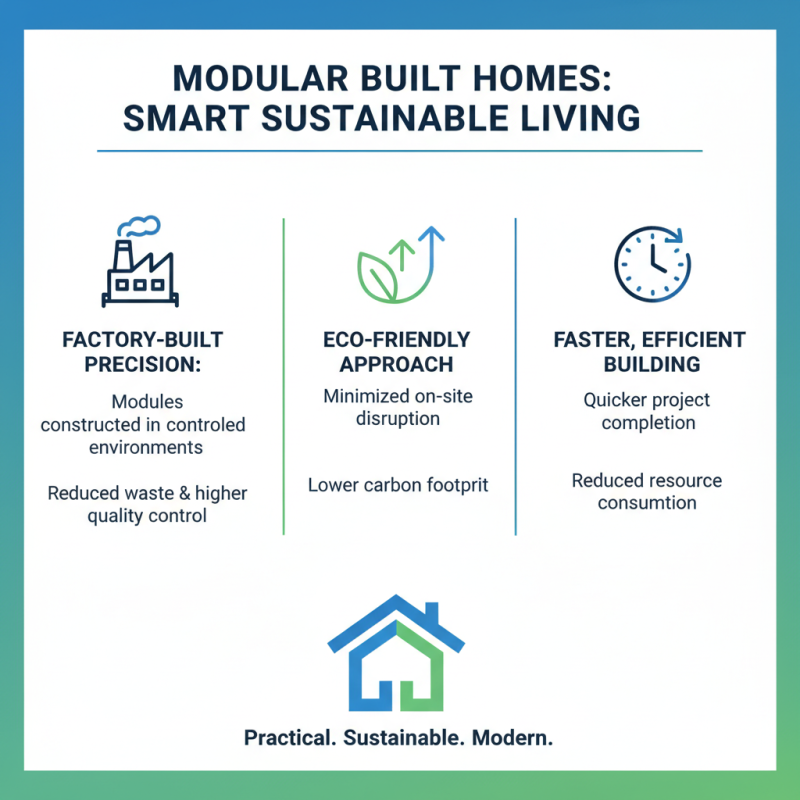
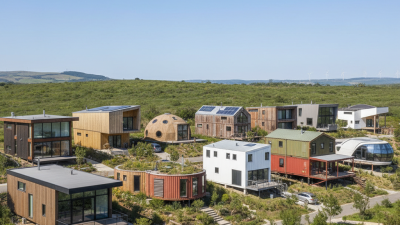
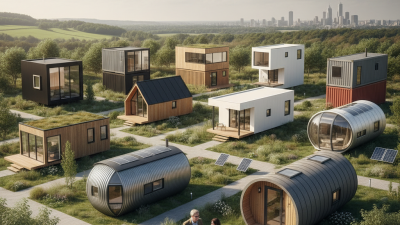
Modular built homes represent a shift toward practical sustainable living. These homes are constructed in sections, or modules, which are fabricated in factories. This approach minimizes waste during construction. The process is faster compared to traditional building methods, reducing overall resource use.
One major benefit of modular homes is energy efficiency. Many designs feature high-quality insulation and energy-efficient windows. They often incorporate sustainable materials, such as reclaimed wood. However, not everything is perfect; some modules may not fit seamlessly together, causing gaps. This can lead to energy leaks if not addressed properly.
Community integration is another challenge. Not every neighborhood is open to modular homes. Residents often hesitate due to preconceived notions. Besides, zoning laws can complicate placement. Adjustments in these areas are crucial. As modular living gains traction, communities must adapt to foster acceptance and innovation.
Key Features That Make Modular Homes Eco-Friendly
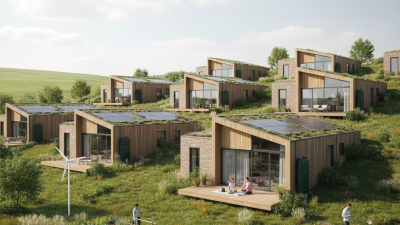
Modular homes are increasingly recognized for their eco-friendly design. One of their key features is energy efficiency. These homes often use high-quality insulation, which minimizes heat loss. This translates to lower energy bills and a reduced carbon footprint. Many modular designs also incorporate passive solar techniques, allowing sunlight to warm the interior naturally.
Another important aspect is the use of sustainable materials. Builders often select recycled or renewable resources. This choice not only lowers environmental impact but also promotes a healthier living space. Some homes even incorporate green roofs or wall gardens, enhancing biodiversity. However, the challenge remains in sourcing materials locally. Transporting heavy loads over long distances can negate some environmental benefits.
Water efficiency is another significant feature. Modular homes frequently utilize low-flow fixtures and advanced wastewater systems. These technologies help to conserve water and reduce overall consumption. Nevertheless, the implementation can be inconsistent. Homeowners need to stay informed about best practices and innovations in water conservation. This is critical for ensuring that their homes truly live up to sustainable standards. Each choice we make in building or living in these homes requires reflection on its environmental impact.
The Economic Benefits of Choosing Modular Homes
Modular built homes are increasingly popular among those seeking sustainable living options. They offer significant economic benefits that can't be ignored. According to the U.S. Census Bureau, modular homes can save about 10-20% in construction costs compared to traditional homes. This is due to the efficient manufacturing processes and reduced waste.
The construction timeline is also faster. Most modular homes are built in a factory setting, so weather delays are minimal. A study by the National Association of Home Builders found that modular construction can cut the overall building time by over 30%. This efficiency is attractive to buyers who want to save time and costs.
Tips: When considering modular homes, research local regulations. Not all areas are open to modular construction. Look into financing options, too. Some lenders may offer better rates for eco-friendly builds.
While modular homes have many advantages, they may also come with limitations. For example, customization options can be more limited than with traditional builds. Potential buyers should weigh the benefits against their specific needs. The market is evolving, so staying informed is key.
Community Impact: Modular Homes and Sustainable Development
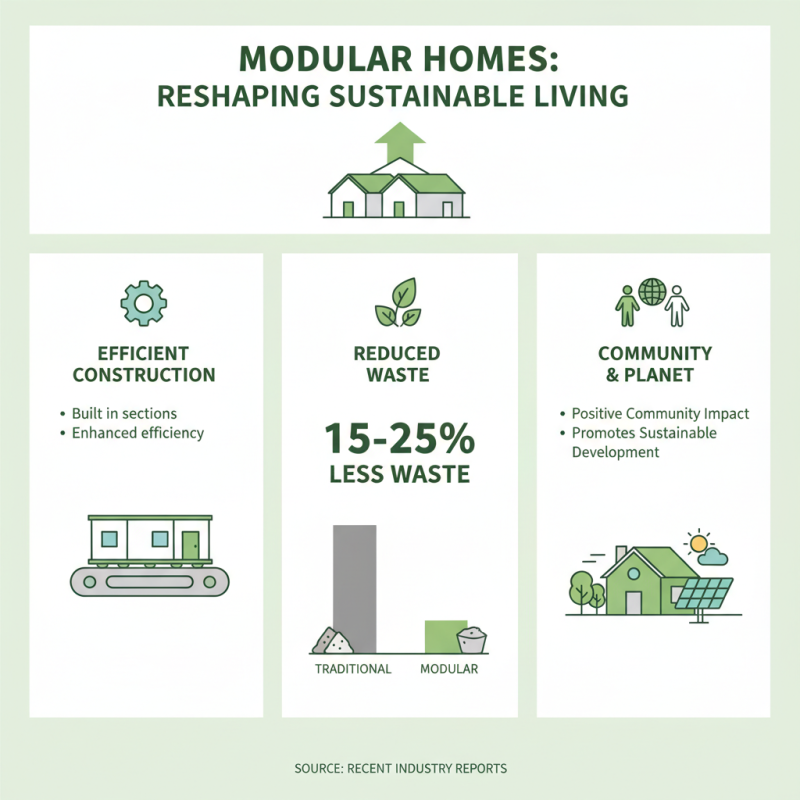
The rise of modular homes is reshaping sustainable living. These homes are built in sections, enhancing efficiency. According to recent reports, modular construction can reduce waste by 15-25%. This aligns with community impact, promoting sustainable development.
Communities benefit from modular homes' speed and affordability. They can be assembled quickly, easing housing shortages. A study indicates that modular homes can cut construction time in half. This rapid development helps address urgent housing needs. However, some worry about quality and long-term viability.
Tips: When considering modular homes, engage with local builders. Visit completed projects to assess quality. Understand zoning regulations in your area to avoid issues. Embrace the new wave of home construction, but remain critical of design choices and materials used.
Future Trends in Modular Home Design for Sustainability
Modular homes are becoming a staple in sustainable living. This trend reflects a shift toward efficiency and eco-friendly materials. Future designs will focus more on energy conservation and minimal waste. Architects are exploring new layouts and innovations. These homes can reduce the carbon footprint significantly.
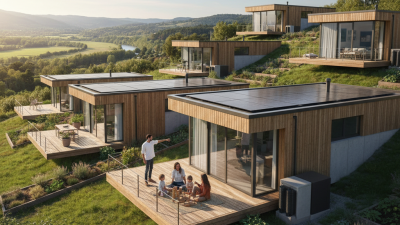
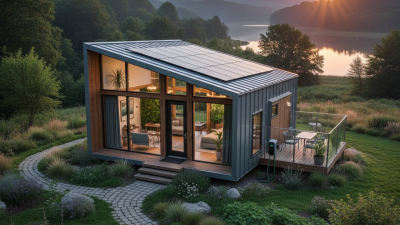
One important upcoming trend is the integration of solar panels. Homeowners can harness renewable energy easily. Using energy-efficient appliances will further enhance sustainability. It’s crucial to consider local climate when designing homes. This will maximize energy efficiency.
**Tips:** Think about modular designs that allow for natural light. Use materials like recycled steel or sustainably sourced wood. Understanding your needs helps in creating a more functional space. Prioritize flexibility in design for future changes. Emphasis should be on simpler solutions, even if they feel inadequate initially.
Why Are Modular Built Homes Gaining Popularity in Sustainable Living?