How to Choose the Best Prefab Houses for Your Needs?
Choosing the right prefab houses for your needs can be a daunting task. Many factors come into play, such as your budget, space requirements, and design preferences. The prefab housing industry has been growing at an impressive rate, with a reported annual growth of 4.8% through 2025, according to a recent market analysis by IBISWorld. These homes offer a unique blend of affordability and sustainability, making them increasingly popular.
According to expert Lisa Thompson, a leading architect in the prefab housing sector, "Prefab houses are revolutionizing home construction, but it's crucial to choose wisely." She emphasizes that not all prefab homes are created equal. It’s essential to research various manufacturers and their designs. Notably, innovative features like energy-efficient materials and customizable layouts are worth considering. However, factors like local zoning regulations and transportation costs often complicate the selection process.
Navigating through the options can feel overwhelming. Potential buyers might overlook critical aspects, leading to regret later. Inadequate planning can result in unexpected expenses or complications. Hence, reflecting on your unique lifestyle needs is vital for making an informed decision about your future prefab house.
Factors to Consider When Choosing Prefab Houses: A Comprehensive Guide
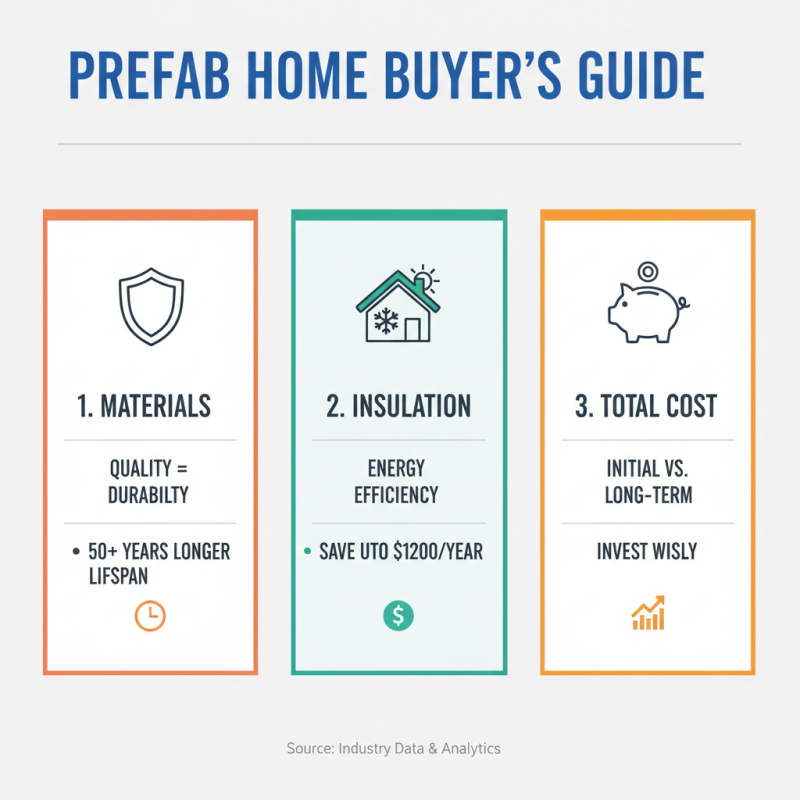
When choosing prefab houses, several critical factors should guide your decision. The type of materials used significantly impacts durability and maintenance. According to industry data, homes constructed with high-quality materials can last up to 50 years longer than those made with subpar options. It's essential to consider the insulation properties as well; inadequate insulation can lead to higher energy costs, sometimes exceeding $1,200 annually.
Another key area to evaluate is the floor plan and layout. Research indicates that homes with well-thought-out designs enhance comfort and functionality. A poorly designed layout can lead to wasted space, impacting day-to-day living. Assess your family’s needs. If mobility is crucial, an adaptable layout could serve you better over time. Moreover, think about the resale value. Homes that don’t match community aesthetics often struggle in the market.
Do not overlook the environmental impact. Approximately 30% of prefab houses are made from sustainable materials. This statistic highlights a growing trend toward eco-friendliness. However, not all eco-friendly options are equal. Some may require significant financial investment upfront. Be sure to weigh the long-term benefits against initial costs. Each choice carries weight and requires careful consideration of both immediate needs and future implications.
Evaluating Prefab House Types: Modular, Panelized, and Manufactured Options
Choosing the right prefab house can be challenging. There are distinct types available: modular, panelized, and manufactured homes. Each type has its advantages and drawbacks. For instance, modular homes are often more customizable. They are built in sections in a factory. This allows for unique designs and can be tailored to individual needs.
Panelized homes are another option. They come with pre-cut panels for walls and roofs. This may speed up construction time. According to industry reports, panelized homes can be assembled in half the time of traditional builds. However, the lack of customization might be a limitation for some buyers.
Manufactured homes are typically more affordable. Their construction involves lower costs due to fewer regulatory requirements. Data from housing surveys indicate that manufactured homes cost about 10-35% less per square foot than traditional homes. However, potential buyers should be cautious. They may face challenges with land use regulations and financing options. Understanding these factors is crucial to making an informed decision.
Comparison of Prefab House Types
Assessing Cost vs. Quality: Understanding the Economics of Prefab Housing
When considering prefab houses, balancing cost and quality is crucial. Many people assume lower prices mean lower quality. That isn’t always the case. Affordable options can still offer durability and comfort. It’s important to research materials used in construction. Low-quality finishes often lead to problems down the road.
Investing too little might save money now, but future repairs can add up. Evaluate energy efficiency as well. A cheaper house might cost more in utilities over time. Look for features like insulation and windows that save on heating and cooling. Balance your budget with long-term savings for a better overall value.
Don’t overlook personalization. Some people settle for standard designs. Customizing a prefab home can create a space tailored to your lifestyle. Reflect on your needs, whether you want extra storage or an open layout. Taking the time to assess your priorities helps ensure your purchase aligns with your vision. A well-planned decision minimizes regrets later.
Customization Options: Tailoring Prefab Homes to Your Specific Needs
When choosing prefab houses, customization is key. Many buyers seek homes that reflect their lifestyle and needs. A recent report from the Modular Building Institute reveals that 80% of new prefab homeowners prioritize customization. This demand drives manufacturers to offer diverse options, enhancing design flexibility. You can choose layouts, materials, and finishes that suit your preferences.
Customization goes beyond aesthetic choices. You can design energy-efficient systems that lower utility bills. Reports show that prefab homes can achieve up to 30% greater energy efficiency compared to traditional homes. Consider integrating solar panels, advanced insulation, or smart home technology. These elements not only improve comfort but also increase long-term value.
It's essential to balance personalization with budget. Sometimes, the more options you choose, the higher the cost. A too-complex design may lead to delays and unexpected expenses. Think carefully about your priorities before finalizing your choices. Reflect on how you plan to use the space over the years. Customization should enhance your living experience, not complicate it.
Future Trends in Prefab Housing: Sustainability and Technology Advances
Prefab housing is evolving rapidly. Sustainability is a driving force behind these changes. Many designs now prioritize energy efficiency. Green materials are becoming standard. These elements can lower the carbon footprint of homes significantly.
Technology is also playing a crucial role. Advanced construction methods reduce waste. Smart home features offer improved energy management. However, not all prefab homes integrate these advancements seamlessly. Buyers should consider how technology matches their lifestyle needs. This balance is crucial for long-term use.
Despite the progress, challenges remain. Some designs may not fit all climates. Sourcing sustainable materials is still an issue for many manufacturers. Future trends will likely focus on solving these problems. This approach could lead to better living conditions for everyone.