2026 How to Choose Prefab Homes for Sustainable Living?
As the world shifts towards sustainable living, choosing prefab homes becomes increasingly relevant. According to the United States Department of Energy, prefab homes can reduce energy consumption by up to 25% compared to traditional builds. This statistic underscores the importance of making informed decisions in the housing market, especially as eco-friendly options become more appreciated.
Prefab homes offer an efficient and often affordable alternative to conventional houses. They are built in a factory setting, which allows for quality control and less waste. However, buyers must consider various factors when selecting these homes. Location, materials, and design play critical roles in achieving sustainability. Additionally, it is essential to reflect on the environmental impact and lifecycle of the chosen materials.
Investing in prefab homes is not without challenges. Some models may lack customization options, which can lead to regrets later. Moreover, local building codes can complicate installation and use. Careful research and professional guidance can mitigate these risks, ensuring that the decision supports both personal values and financial goals.
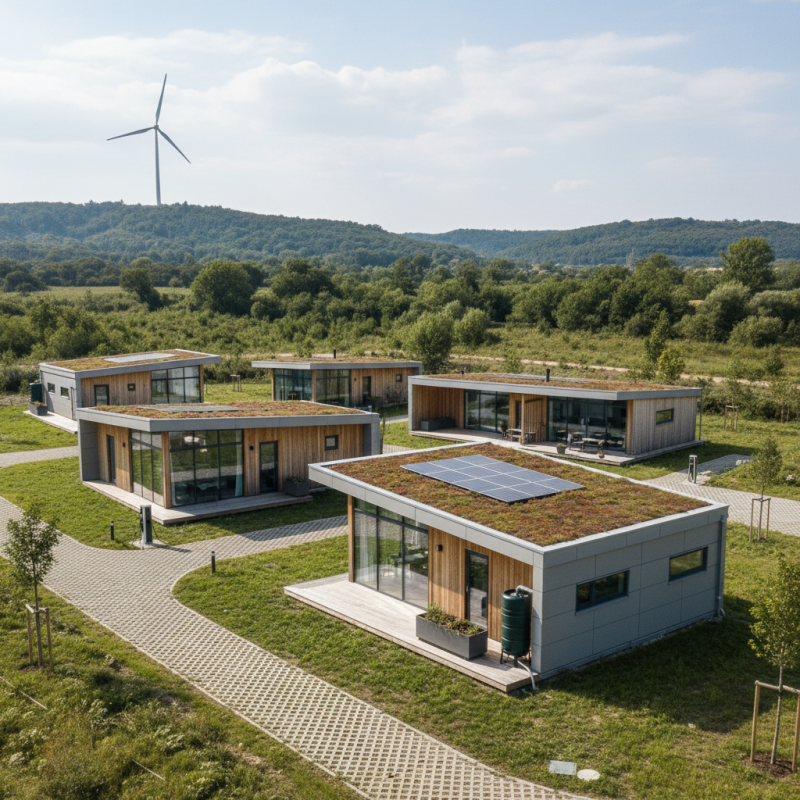
Factors Influencing the Sustainability of Prefab Homes in 2026
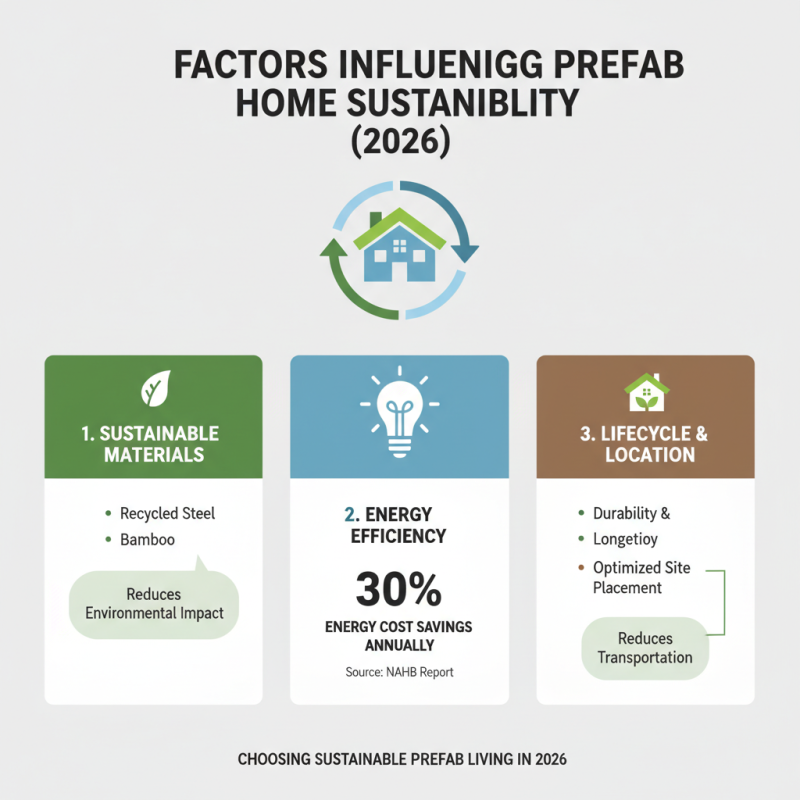
Choosing prefab homes for sustainable living in 2026 requires careful consideration of various factors. One key aspect is the materials used in construction. Sustainable materials, such as recycled steel or bamboo, reduce environmental impact. According to a recent report by the National Association of Home Builders, homes built with these materials can save up to 30% in energy costs annually.
Design also plays a critical role. Efficient floor plans and natural light can decrease energy consumption significantly. A study by the U.S. Department of Energy revealed that homes designed for passive solar heating can lower heating costs by 50%. However, many prefab homes still overlook these design elements, leading to missed savings.
Another important factor is location. Building prefab homes in areas that prioritize renewable energy sources enhances sustainability. Proximity to public transportation reduces reliance on cars. Yet, not all developers focus on these locations. Consumers need to ask questions about site selection and available resources when choosing a prefab home. These considerations are vital for achieving long-term sustainability, even if some solutions may require deeper reflection on current practices.
Material Selection: Sustainable Resources and Their Impact on Living
When selecting materials for prefab homes, the focus should be on sustainability. Eco-friendly materials contribute significantly to reducing environmental impact. For instance, bamboo is a strong, renewable resource. It requires less energy to produce than traditional wood. Recycled metals can also be effective. They minimize waste and often outperform new materials in durability.
Another consideration is insulation. Natural fibers like sheep’s wool and hemp provide excellent thermal properties. They are biodegradable and result in less pollution. However, sourcing these materials can be challenging. Availability may limit options. This requires thoughtful planning and possibly compromises.
Water conservation is another aspect. Low-flow fixtures and drought-resistant landscaping can enhance sustainability. While these choices reduce consumption, they may not always align with aesthetic desires. Striking a balance is crucial. Ultimately, thoughtful material choice reflects a commitment to sustainable living. It also requires continuous learning and adaptation.
Material Selection for Sustainable Prefab Homes
This chart illustrates the impact of different sustainable materials used in prefab homes on overall sustainability scores. The materials include Bamboo, Recycled Steel, Reclaimed Wood, and Insulated Concrete Forms, highlighting how these options contribute to environmental goals.
Energy Efficiency Standards for Prefab Homes: A 2026 Perspective
When considering prefab homes, energy efficiency is crucial for sustainable living. In 2026, energy efficiency standards will be more stringent. The International Energy Agency notes that energy-efficient buildings can reduce CO2 emissions by over 50%. This is significant as homes contribute to nearly 22% of global greenhouse gas emissions. It highlights the need for responsible choices in prefab construction.
Homebuyers should pay attention to insulation, windows, and HVAC systems. Proper insulation minimizes energy loss, while triple-glazed windows improve thermal performance. Look for homes that meet or exceed the latest ENERGY STAR ratings. These certifications indicate that homes are built with energy conservation in mind. It can help reduce utility bills while promoting eco-friendly living.
Tip: Always ask for energy performance data before purchasing. Understand how the home's design contributes to energy savings. Many newer prefab homes utilize solar panels, which can drastically reduce energy costs. Consider checking local incentives for adopting renewable energy technologies. Efficiency doesn't just benefit the environment; it also adds value to your investment.
Cost-Benefit Analysis of Prefab Homes in Sustainable Living Choices
Prefab homes have become a viable option for sustainable living. They often have lower environmental impacts than traditional construction methods. According to a report by the National Association of Home Builders, prefab homes can reduce energy consumption by up to 25% during construction. This is due to controlled factory environments, where waste is minimized, and materials are used efficiently.
A cost-benefit analysis reveals that prefab homes offer considerable savings. A study by the Modular Building Institute shows that homeowners can save an average of 10-20% on construction costs. Additionally, maintenance and energy costs tend to be lower. However, buyers should consider potential downsides. Limited customization options may not suit every homeowner's style or needs.
In terms of value, prefab homes appreciate similarly to traditional homes, but location impacts this. Urban plots may yield higher returns than rural areas. Reflection on lifestyle preferences and long-term goals is essential when evaluating prefab homes as sustainable options.
2026 How to Choose Prefab Homes for Sustainable Living? - Cost-Benefit Analysis of Prefab Homes in Sustainable Living Choices
| Criteria |
Prefab Home Type |
Initial Cost (USD) |
Annual Maintenance Cost (USD) |
Energy Efficiency Rating |
Expected Lifespan (Years) |
| Eco-Friendly Materials |
Modular Home |
$150,000 |
$1,200 |
A+ |
50 |
| Compact Design |
Tiny Home |
$70,000 |
$800 |
A |
30 |
| Sustainable Community |
Panelized Home |
$120,000 |
$1,000 |
A++ |
40 |
| Integration with Nature |
Container Home |
$85,000 |
$1,500 |
B+ |
35 |
| High Insulation |
Alternative Building |
$100,000 |
$900 |
A |
45 |
The Role of Technology in Advancing Eco-Friendly Prefab Housing Solutions
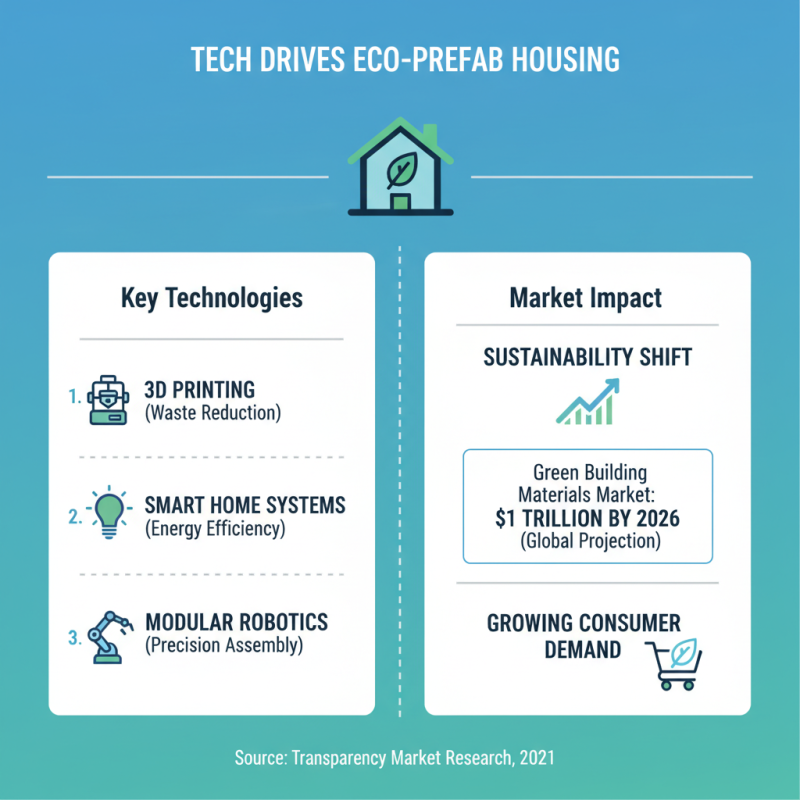
The role of technology in advancing eco-friendly prefab housing solutions is critically important. In recent years, the prefab housing market has seen a significant shift towards sustainability. According to a 2021 study by Transparency Market Research, the global green building materials market is projected to reach USD 1 trillion by 2026. This uptick reflects a growing demand for sustainable living practices in housing.
Enhancements in technology are driving these changes. Modular construction techniques have minimized construction waste by nearly 30%, according to industry reports. Innovations like 3D printing and smart home systems provide not only energy efficiency but also increased comfort. Yet, the integration of these technologies often requires a higher initial investment, which can deter many homebuyers. Moreover, not all builders have access to this advanced technology, leading to inconsistencies in quality.
Solar panels and energy-efficient appliances are becoming standards in prefab designs. The U.S. Department of Energy notes that homes with solar installations can save homeowners 50% on energy costs. However, the transition to fully eco-friendly models is still in its infancy. Many eco-conscious consumers remain unsatisfied with the options available. Meeting diverse needs while ensuring sustainability can often feel like a balancing act between cost and environmental impact.