How to Choose the Best Prefab Units for Your Needs?
Choosing the right prefab units can feel overwhelming. The variety in design, materials, and uses matters greatly. It’s essential to identify your specific needs before making a decision. Will these units serve as temporary shelters, offices, or permanent homes? Each option has its unique features.
You might prefer a lightweight structure for mobility or a more robust design for durability. Consider factors such as size and layout. A smaller unit may suffice for occasional use, while larger models may be necessary for long-term living. Remember, budget constraints can also dictate your choices. Investing wisely in prefab units requires balancing cost and quality.
Exploring customization options can be exciting, but it may also complicate your decision-making process. Not every feature is essential for every situation. Reflect on what truly serves your needs, rather than getting lost in possibilities. As you weigh your options, strive for clarity in what you want, and remain open to reevaluating your priorities.
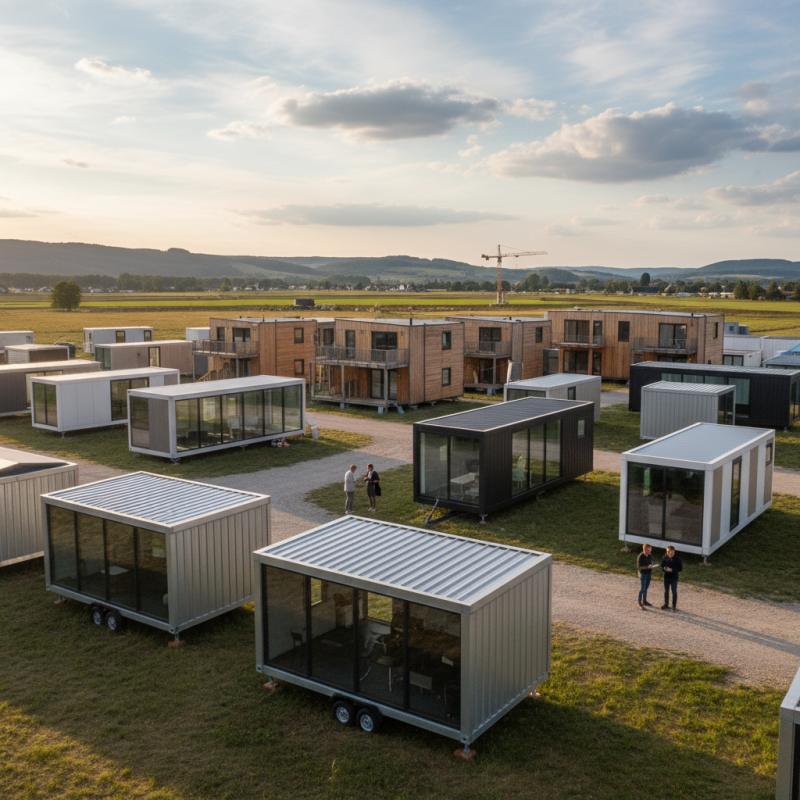
Factors to Consider When Choosing Prefab Units
Choosing the right prefab unit requires careful thought. Begin by assessing your specific needs. Consider the intended use of the unit. Will it serve as a temporary workspace, guest accommodation, or perhaps a small retail space? Each purpose demands a different design.
Another key factor is size. Your space requirements should dictate dimensions. Think about how many people will usually be inside. Too much space can feel empty, while too little can be cramped. Also, don’t forget about local zoning regulations. They can affect what you can build.
Material quality is essential. Look for durability and weather resistance. Some materials may be appealing but could deteriorate quickly. Pay attention to insulation, especially if the unit is used year-round. Last, consider transportability. Units that are easy to move can provide more flexibility. Reflect on whether you will need to relocate in the future.
How to Choose the Best Prefab Units for Your Needs? - Factors to Consider When Choosing Prefab Units
| Factor |
Description |
Importance Level |
| Purpose |
Define the specific use of the prefab unit (office, storage, etc.). |
High |
| Size |
Consider the dimensions required for both space and functionality. |
High |
| Budget |
Assess how much you are willing to invest in prefab units. |
High |
| Building Regulations |
Ensure that the prefab units comply with local building codes and regulations. |
Medium |
| Customization Options |
Look for units that can be customized to meet specific needs. |
Medium |
| Delivery Time |
Check the estimated time for delivery and installation. |
Medium |
| Sustainability |
Consider eco-friendly materials and energy-efficient designs. |
Low |
Types of Prefab Units Available in the Market
Prefab units come in different types to meet varying needs. One popular type is modular buildings. These structures consist of pre-made sections that can be assembled on-site. They can be used for offices or classrooms. They often provide flexibility in design and layout.
Another option is mobile units. These are portable and convenient. They can be moved easily from one location to another. This makes them ideal for temporary setups. However, they may lack some features found in permanent structures.
Container units are also becoming popular. They are made from shipping containers, which are sturdy and durable. They can serve as storage or living spaces. While they offer unique aesthetics, insulation can be a concern. Each type has its strengths and weaknesses. Consider your specific needs, space, and budget when making a choice. The decision process may not be straightforward. It's essential to reflect on what suits you best.
Types of Prefab Units Available in the Market
Assessing Your Space and Layout Requirements
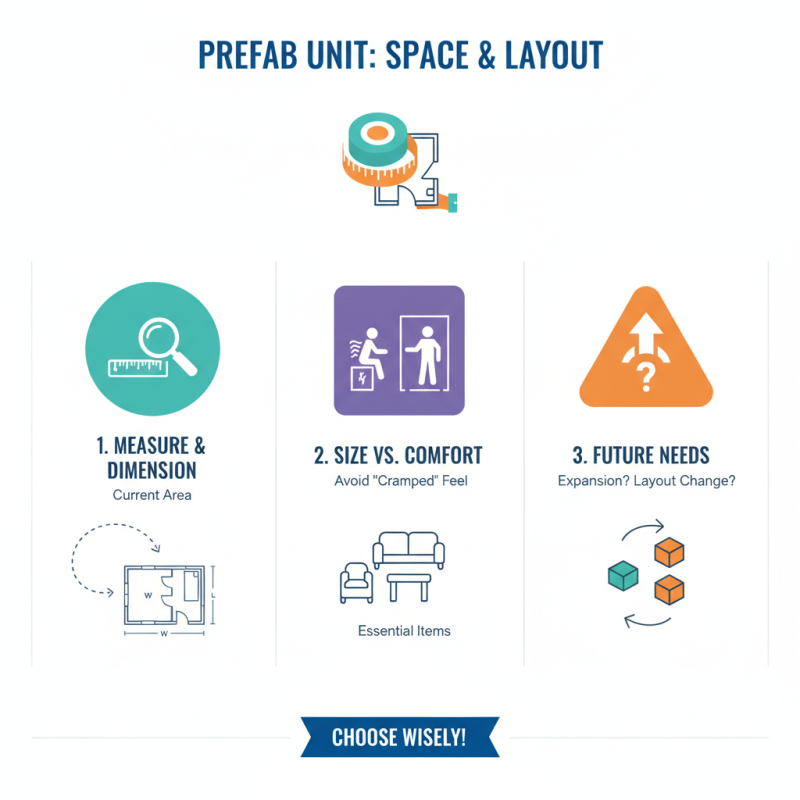
Assessing your space and layout requirements is crucial when choosing prefab units. Start by measuring the area where the unit will go. Consider the dimensions carefully. A smaller unit may look more appealing, but it can feel cramped. Ensure you have enough space for essential items. Keep in mind any future needs. You might want to expand or change your layout later.
Next, think about the overall flow of your space. How will people move in and out? A poorly planned layout can disrupt daily activities. Open spaces can feel inviting, but they may also lead to noise issues. Some people prefer defined areas. This choice can greatly affect comfort and functionality.
Finally, reflect on your specific goals. Are you looking for a workspace or living area? Each serves different purposes. Spend time imagining how the space will be used. A prefab unit should support your lifestyle. Remember, the initial layout might not be perfect. You may need to make adjustments over time.
Budgeting for Prefab Units: Costs and Financing Options
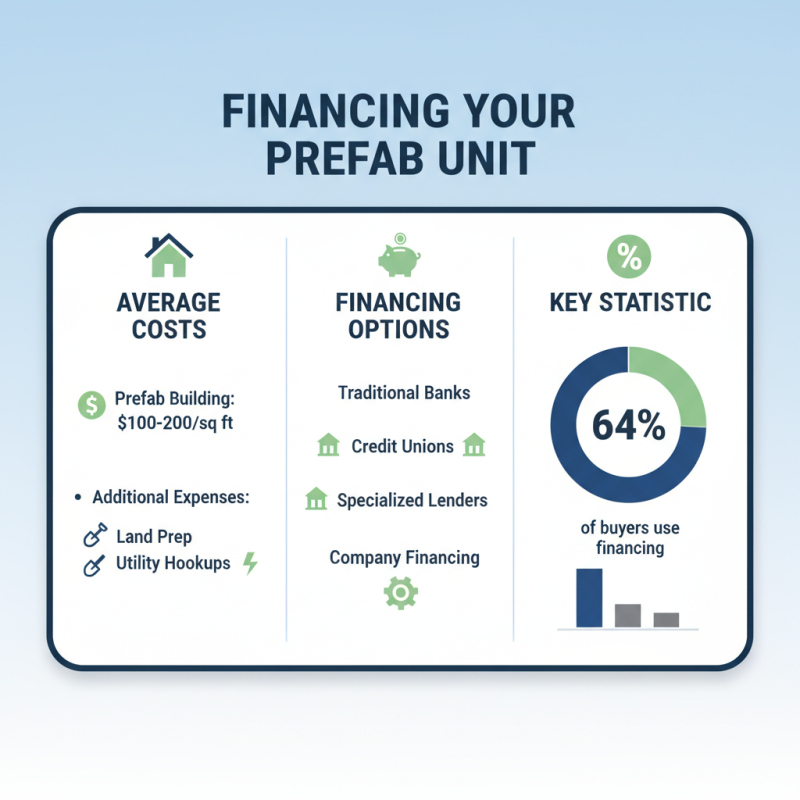
When budgeting for prefab units, costs are a crucial factor. The average price for prefab buildings ranges from $100 to $200 per square foot, depending on material and size. Consider additional expenses, such as land preparation and utility hookups. Financing options vary widely. Many buyers secure loans through traditional banks, credit unions, or specialized lenders. Some companies also provide financing plans directly. According to industry reports, approximately 64% of prefab buyers use financing.
Tips: Always get multiple quotes. This helps you understand the market better. It may reveal hidden costs you didn’t anticipate.
Unexpected expenses can arise. Some buyers overlook the costs of permits and inspections. In some regions, these can add an extra 10% to 15% to your total budget. Research local regulations early. It saves time and money.
Assess your financial situation carefully. Are you prepared for deposits? Often, these amounts are non-refundable. Ensure the financial plan aligns with your long-term goals. Be aware of the potential for increased interest rates if you choose variable financing options.
Evaluating Quality and Durability of Prefab Materials
Choosing the right prefab units hinges greatly on the quality and durability of materials used. According to the Modular Building Institute, around 80% of prefabricated structures are valued for their longevity and efficiency. This statistic reveals the significance of investing wisely in durable materials.
When evaluating materials, consider their resistance to environmental stressors. For instance, steel can withstand harsh weather and is less prone to rot. In contrast, wood, while aesthetically pleasing, is vulnerable to pests and moisture. Therefore, balancing aesthetic appeal with functional durability is tricky. A study from the National Association of Home Builders shows that approximately 30% of prefab projects face unexpected maintenance issues due to poor material choices.
Additionally, insulation plays a critical role in energy efficiency. Solid insulation materials not only minimize heat loss but also enhance the overall comfort of the living space. However, some builders neglect this aspect, leading to energy inefficiency. Understanding the long-term implications of material choices is essential. Skimping on quality may save money initially but could lead to costly repairs later on.