Why Choose Prebuilt Homes for Your Next Dream Home?
In today's fast-paced world, many people are seeking efficient and modern living solutions. Prebuilt homes have emerged as an attractive option for those looking to build their dream home without the usual lengthy processes. Industry expert Mark Thompson from Modular Living Inc. emphasizes, "Prebuilt homes can be a game changer for aspiring homeowners."
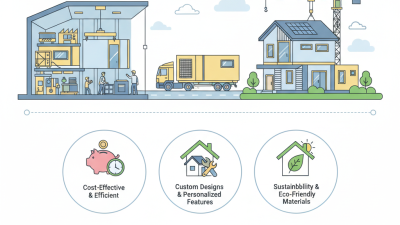
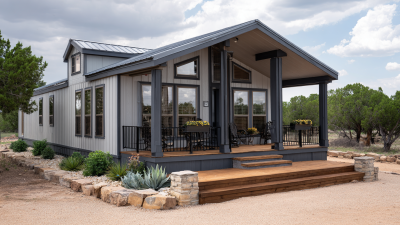
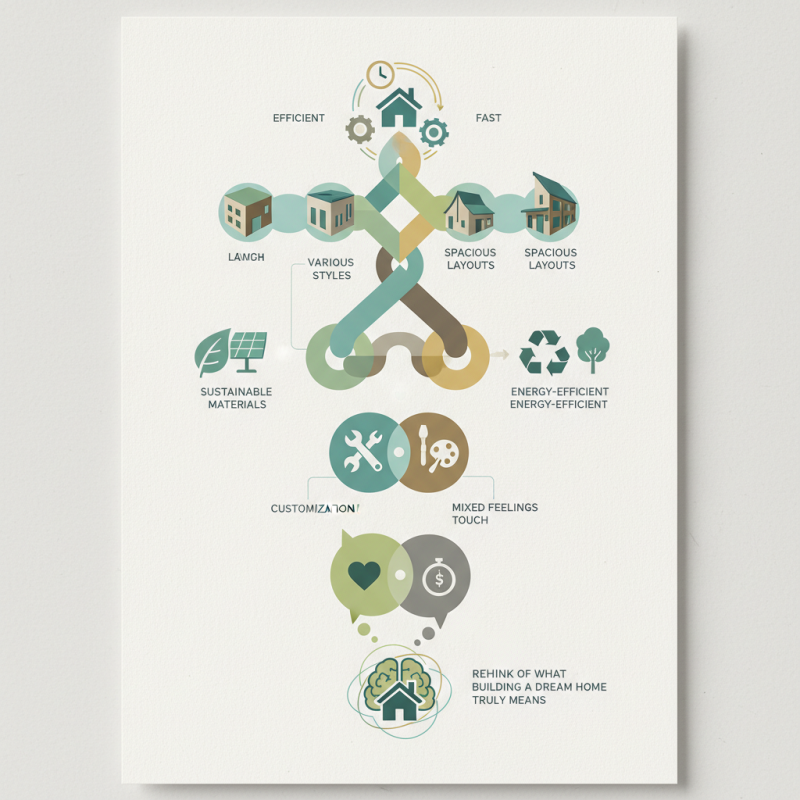
These homes are designed in factories, offering quicker construction timelines. From compact designs to spacious layouts, prebuilt homes come in various styles. They often incorporate sustainable materials and energy-efficient solutions. This not only cuts down construction waste but also promotes greener living. However, some may wonder about customization. While prebuilt homes offer fewer choices than traditional builds, many designs are surprisingly versatile.
Choosing prebuilt homes can sometimes lead to mixed feelings. Some buyers feel it lacks the personal touch of a custom home. Yet, the speed and cost efficiency cannot be ignored. With adjustable models available, they can still reflect individual tastes. Prebuilt homes invite a rethink of what building a dream home truly means.
Benefits of Prebuilt Homes: Cost-Effectiveness and Time Efficiency
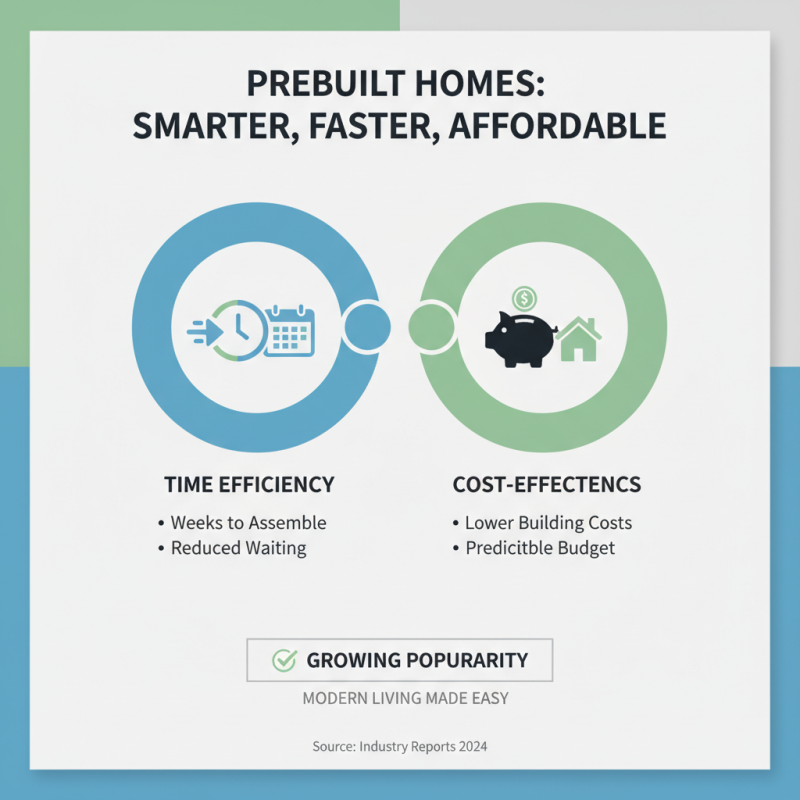
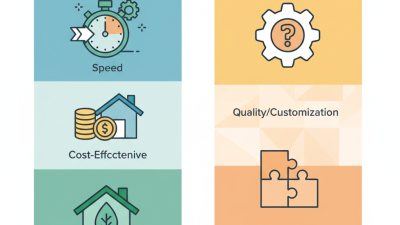
Prebuilt homes have gained popularity due to their cost-effectiveness and time efficiency. Building a home from scratch can take months or even years. Many people feel overwhelmed by the process. In contrast, prebuilt homes offer a quicker solution. They can often be assembled within weeks. This eliminates much of the waiting time associated with traditional construction.
Cost is another crucial factor. Prebuilt homes can be significantly less expensive than custom builds. They often come with fewer unexpected expenses. However, some buyers worry about quality. There can be misconceptions about the durability of prebuilt materials. It’s essential to research and choose a reputable provider. Yet, even the best options can have their flaws. Each home should be inspected thoroughly.
Choosing a prebuilt home doesn't mean sacrificing design. Many options offer customization. Homebuyers can still include personal touches. That said, decisions must be made quickly. The fast pace can be both exciting and stressful. It’s important to weigh the pros and cons before committing. A little reflection on personal needs will go a long way.
Customization Options Available in Prebuilt Homes for Personalization
When considering prebuilt homes, customization is a key appeal. These homes are not just cookie-cutter designs. Buyers can personalize various aspects to align with their unique tastes. You can choose layouts that fit your lifestyle. Imagine an open-concept kitchen that seamlessly connects to the living room. This invites easy entertaining and family gatherings.
Tips: Think about your daily routines. What spaces would enhance your life? A cozy reading nook or a spacious garage might make a difference.
Additionally, finishing touches offer another layer of personalization. From flooring materials to cabinetry styles, the choices are extensive. You might prefer rustic wood over sleek tiles. That simple choice reflects your personality. It’s essential to remember that the process can feel overwhelming. There are many decisions to make, which can lead to second-guessing.
Tips: Take your time. Create a vision board to visualize your dream space. This can help narrow down your options. And don't rush—quality should remain your priority. Embrace the creative process while deciding what truly resonates with you.
Sustainability and Energy Efficiency in Prebuilt Home Construction
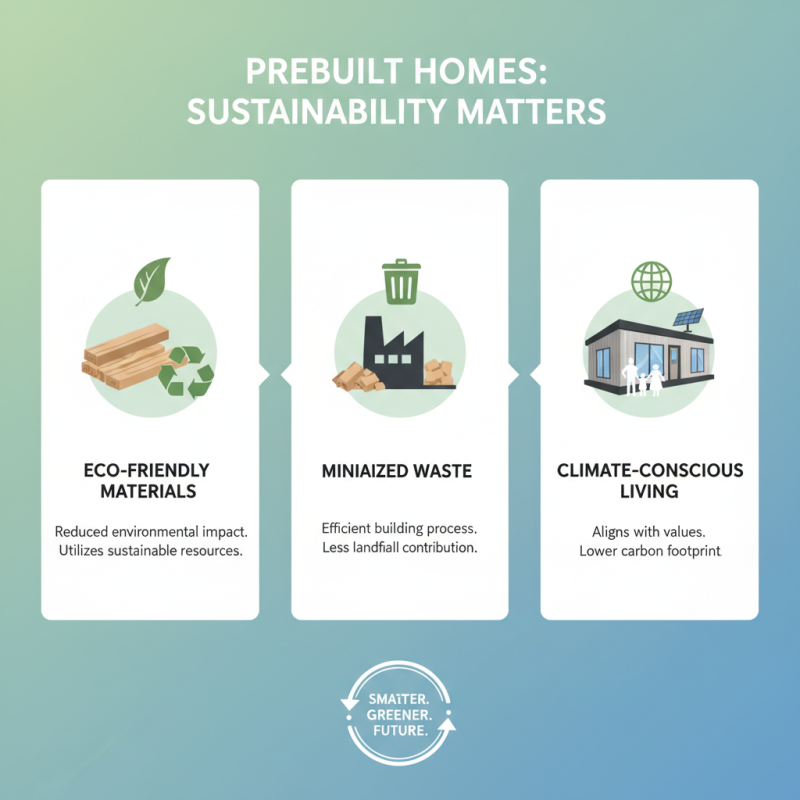
Prebuilt homes are gaining popularity, especially due to their focus on sustainability. These homes often integrate eco-friendly materials, reducing environmental impact. With rising awareness about climate change, many people prefer homes that align with their values. Prebuilt constructions can minimize waste during the building process. This aspect is crucial, as traditional building methods often generate excess debris.
Energy efficiency is another strong point. Modern prebuilt homes feature advanced insulation, which helps maintain comfortable temperatures year-round. This results in lower energy bills. Homebuyers find the prospect of saving money on utilities attractive. However, not all prebuilt homes are energy-efficient. Some designs still fall short of optimal standards. It's essential for buyers to conduct thorough research before making a decision.
Responsive design is possible with prebuilt homes. The flexibility in layouts allows groups to customize spaces based on needs. Some buyers may struggle with this customization process. Choices can be overwhelming. Balancing personal preferences with sustainability can be challenging but rewarding. In the end, these homes can reflect a commitment to environmental responsibility while being practical and stylish.
Quality Assurance: Building Standards and Inspections in Prebuilt Homes
Prebuilt homes are rising in popularity for various reasons. One key aspect is the quality assurance tied to building standards and inspections. In many regions, prebuilt homes must adhere to strict codes. These codes ensure the materials used meet specific safety requirements. For instance, a study from the National Association of Home Builders reveals that homes built to existing codes are 30% less likely to require major repairs within five years.
Inspections play a crucial role in this quality assurance process. They occur at multiple phases, from the foundation to the final walkthrough. According to the U.S. Department of Housing and Urban Development, homes that undergo thorough inspections often demonstrate higher overall satisfaction rates. Yet, not all inspections catch every issue. Minor discrepancies can still slip through the cracks, leaving buyers to undertake additional repairs after purchase.
Additionally, prebuilt homes can sometimes lack the customization that traditional homes offer. This might lead to compromises in design. However, the standardization of the building process often results in faster timelines and reduced costs. Buyers can typically expect shorter wait times, without sacrificing essential quality components.
Quality Assurance in Prebuilt Homes
Comparing Prebuilt Homes to Traditional Home Building Methods
The choice between prebuilt homes and traditional home building methods is becoming more relevant. Prebuilt homes are gaining traction due to speed and cost efficiency. A recent industry report stated that prebuilt homes can be constructed 30% faster than traditional methods. This speed can greatly reduce labor costs and overall budget.
Traditional home building often involves a lengthy process. Permits, contractor schedules, and unexpected delays can hamper timelines. In contrast, prebuilt homes benefit from a controlled environment. They are produced in factories, which standardizes many aspects of construction. However, some might argue this reduces customization.
Another aspect to consider is sustainability. A study from the National Association of Home Builders shows that prebuilt homes often generate 50% less waste compared to traditional builds. This is crucial for environmentally-conscious buyers. Yet, potential buyers should reflect on their desire for unique designs. Prebuilt homes may restrict some personalization options, which can be a drawback for many.
Why Choose Prebuilt Homes for Your Next Dream Home? - Comparing Prebuilt Homes to Traditional Home Building Methods
| Feature |
Prebuilt Homes |
Traditional Homes |
| Construction Time |
4-12 weeks |
6-12 months |
| Cost |
10-20% less |
Standard market price |
| Customization |
Limited options |
Highly customizable |
| Energy Efficiency |
Typically higher |
Variable |
| Warranty |
Often 10 years |
1-5 years |
| Environmental Impact |
Lower waste |
Higher waste |