How to Buy Large Prefab Homes for Your Family?
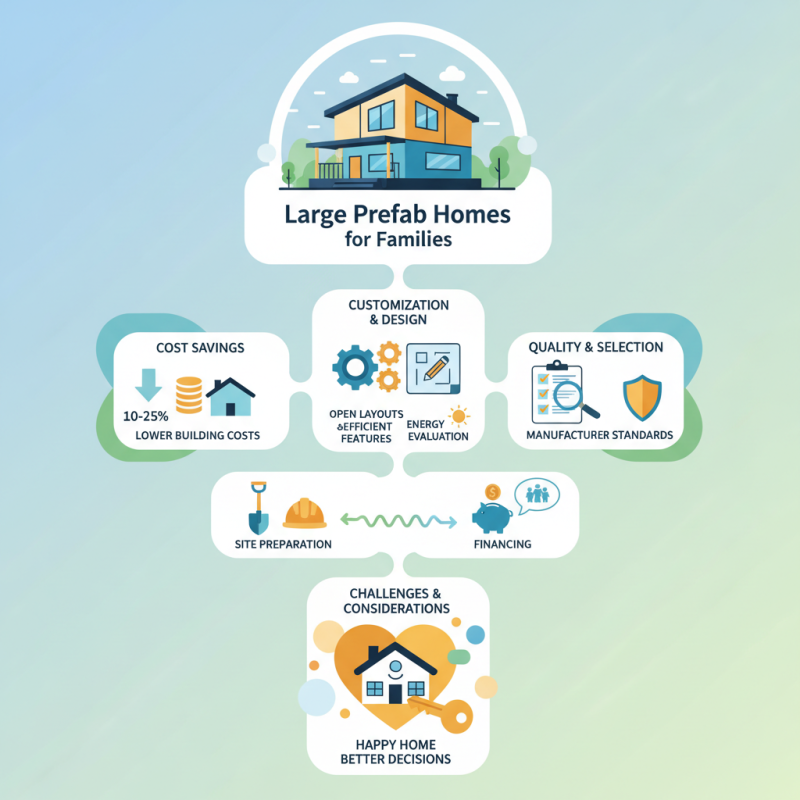
As the demand for affordable housing rises, many families are exploring large prefab homes. These structures offer a unique solution to housing needs. A report by the National Association of Home Builders highlights that building costs for prefab homes can be 10-25% lower compared to traditional buildings. This figure draws attention to the potential for significant savings.
Large prefab homes not only provide financial relief but also customization options. Families can design open layouts or energy-efficient features easily. However, not all manufacturers maintain high standards. Research indicates that quality can vary widely, necessitating careful selection and evaluation.
The shift towards large prefab homes can be both exciting and daunting. Families might feel overwhelmed by choices and may face challenges in site preparation or financing. It's crucial to consider these factors. Addressing potential imperfections in the process can lead to better decisions and ultimately, a happy home.
Understanding Large Prefab Homes: Types and Features
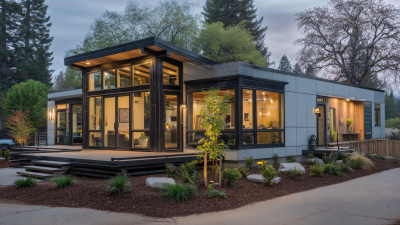
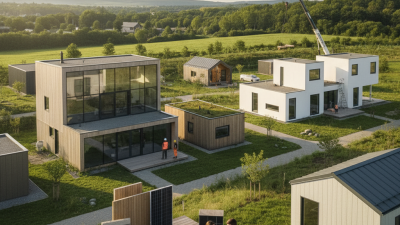
Large prefab homes are becoming increasingly popular among families. These homes offer an array of styles and features that cater to various needs. You can find models ranging from single-story bungalows to spacious two-story houses. According to a recent industry report, prefab homes can reduce construction costs by up to 20-30%. This is significant for families wanting to minimize expenses.
One notable aspect of large prefab homes is their energy efficiency. Many models come equipped with high-performance insulation and energy-efficient windows. These features can lead to savings of up to 50% on energy bills. However, not all prefab homes have the same quality. Families should research materials and finishes carefully. The choice of a less durable material might save money initially but could lead to higher maintenance costs later.
Space is a crucial consideration for families. Large prefab homes often provide open floor plans. This layout can enhance family interaction and create a sense of community. However, some designs may lead to wasted space if not planned well. Reflecting on how to utilize space efficiently is important before making a purchase. Choose designs that suit your family’s lifestyle and needs.
Assessing Your Family's Space Needs and Budget
When considering a large prefab home for your family, knowing your space needs is essential. Each family has different requirements. How many bedrooms do you need? What about bathrooms? Think of your daily activities. Do you need an office, play area, or extra storage? This planning stage can shape your decisions.
Budgeting is just as crucial. Determine a realistic budget early on. Factor in not just the home cost but also land, utilities, and permits. Many find it easy to overspend when they fall in love with features. It might be wise to list must-have items versus nice-to-have details.
Tips:
Be open to adjustments. Sometimes, reducing square footage could enhance your budget. Explore various layouts to maximize your space. If you find a layout is not working, reflect on it. Could your family adapt? Open communication with family members can provide valuable perspectives on what is truly needed.
Researching Reputable Prefab Home Manufacturers
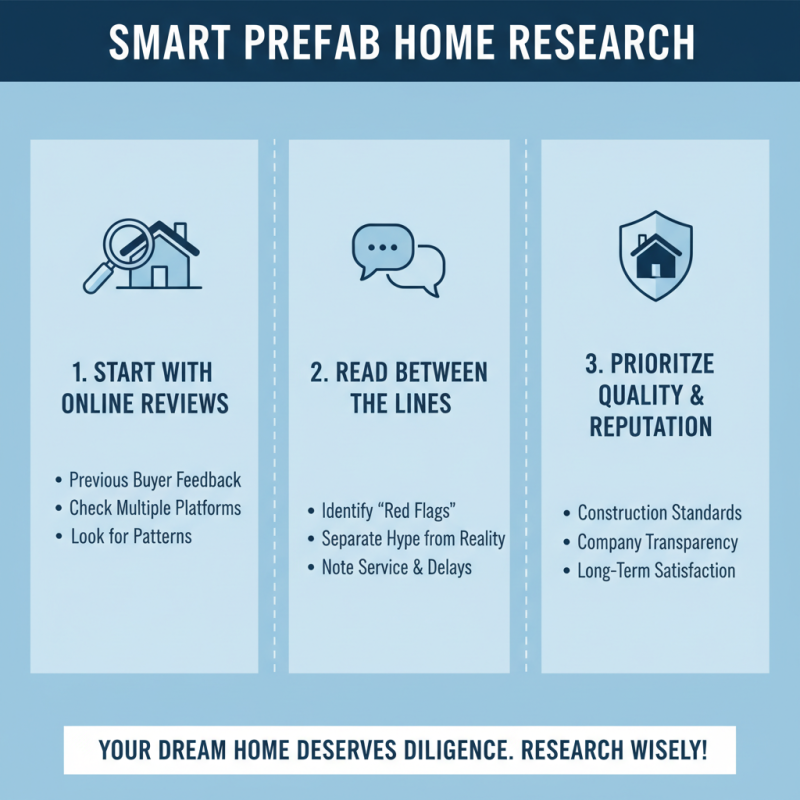
When researching reputable prefab home manufacturers, it's crucial to start with online reviews. Look for feedback from previous buyers. These insights can reveal potential issues. Sometimes, a beautiful website hides a poor product. You might find praise for construction quality or complaints about service delays. Take this seriously.
Visiting local showrooms can also help. You can see materials firsthand. Touch the surfaces and check the layout. This gives a better sense than just browsing online. But remember, showrooms may not represent the entire range. Some models may look great, while others might not appeal.
Ask questions about warranties and customer service. Many manufacturers offer limited time frames. Moreover, understanding the installation process is key. Poor setup could lead to problems. Researching is not solely about finding the best price. It’s about securing a home that fits your family’s needs and future plans. Always stay curious and keep asking questions.
Exploring Financing Options for Your Prefab Purchase
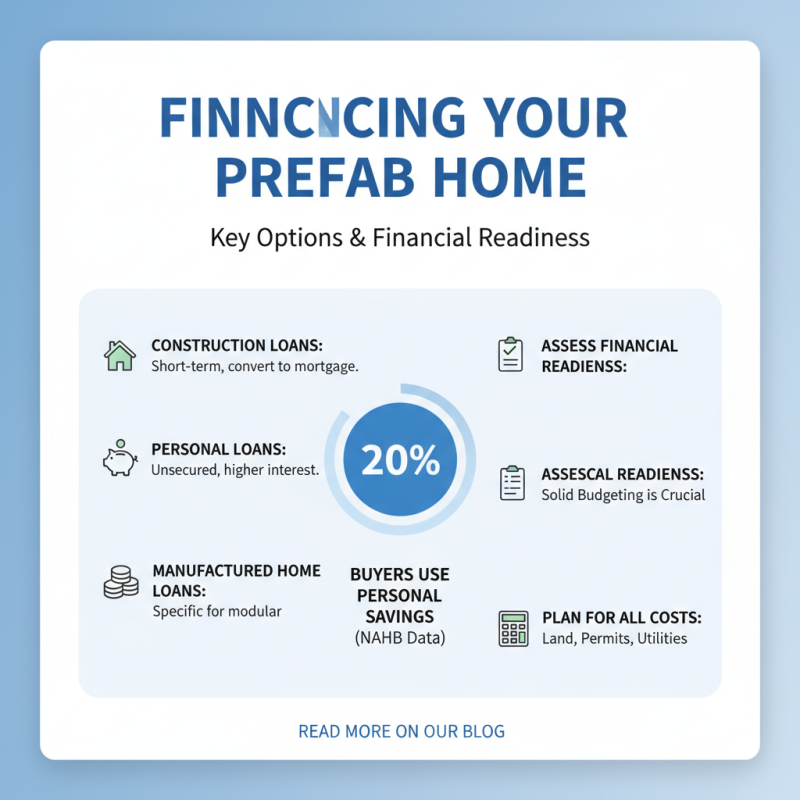
When considering a large prefab home, understanding financing options is crucial. According to recent data from the National Association of Home Builders, around 20% of buyers rely on personal savings for their purchase. This statistic highlights the importance of assessing your financial readiness. Ideally, a solid budget helps you navigate the costs associated with your prefab home.
Bank loans are a common choice. However, approval can be tricky. Many lenders view prefab homes differently. They may require a larger down payment. The typical down payment for traditional homes is around 10% to 20%. With prefab homes, it can be 20% or even more, depending on the lender's policies. You need to do your research before deciding.
Some opt for construction loans. These can be advantageous since they provide funds in stages. However, the process can feel overwhelming. It's essential to clarify all terms with your lender. Hidden fees can pop up unexpectedly. According to the Federal Housing Finance Agency, high upfront costs are a significant factor for many. Always weigh your options carefully, and make sure you fully understand the implications of your financing choices.
Navigating the Legalities and Permits for Prefab Home Installation
When buying large prefab homes, understanding the legalities and permits is essential. Before moving forward, check local zoning laws. These laws can impact where you can place your new home. Not all areas allow prefab homes. Some require certain specifications, like foundation types and design elements. Research thoroughly to avoid future headaches.
Tips: Contact local authorities early. They can provide guidance on necessary permits. Gather all paperwork before applying. Submit it in a timely manner to avoid delays.
Building permits often need detailed plans. These plans show dimensions and layout. Have a professional create them for you. This can save time and effort. Mistakes on these documents can lead to rejections. Ensure compliance with all local regulations.
Consider potential roadblocks, like utility connections. Check with providers to understand their requirements. This may involve additional permits or inspections. Don't overlook any aspect of the process. Missing a small detail can halt progress.