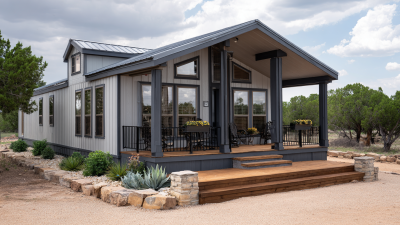
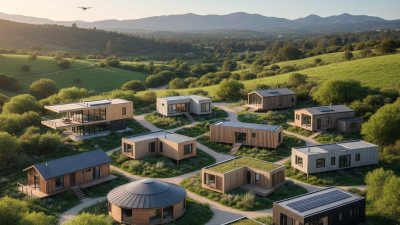
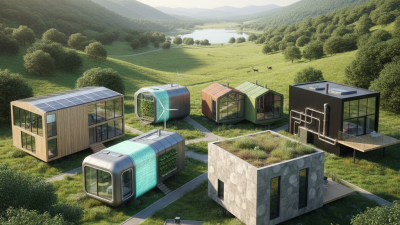
Top Benefits of Prefab Houses Why You Should Consider Them Today
Prefab houses are gaining remarkable attention in today's housing market. According to a recent report by the National Association of Home Builders, over 60% of home builders are now considering prefab options. This shift is largely due to the rising demand for quick construction and sustainable living. These homes can be assembled in a fraction of the time compared to traditional houses.
In addition, a study by the Modular Building Institute highlights that prefab houses can reduce waste by up to 30%. This aspect is crucial as the building industry grapples with sustainability issues. Prefab homes are also often more affordable, with costs decreasing by 10-20% compared to conventional builds. However, some buyers remain skeptical about quality and durability.
As we explore the benefits of prefab houses today, it’s essential to consider both their advantages and potential drawbacks. While they present many positive attributes, they may not suit everyone’s needs. Addressing these concerns can pave the way for more informed decisions in a changing housing landscape.
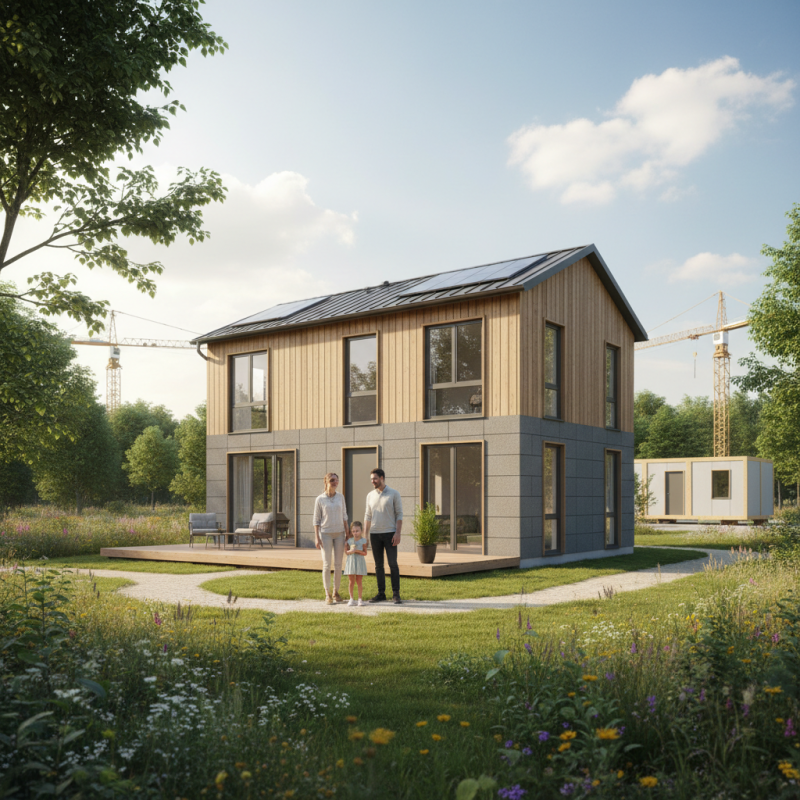
Top Benefits of Prefab Houses: Why You Should Consider Them Today
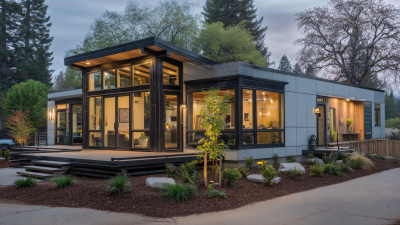
Prefab houses have become a favorite choice for many homeowners. They are not just affordable; they can also be customized to fit individual needs. Imagine stepping into a home designed just for you, featuring open spaces and modern finishes. This adaptability appeals to a diverse range of buyers, from families to singles.
Time is another benefit. Prefab houses can be constructed much faster than traditional homes. While traditional builds can take months or even years, prefab options often shorten that timeline significantly. However, the process can still come with surprises. Weather delays or supply shortages can cause setbacks.
Energy efficiency is a major point worth considering. Many prefab homes now include eco-friendly materials and advanced insulation. Living in one means lower utility bills and a smaller carbon footprint. Yet, not all prefab homes are designed alike. It’s crucial to research and find a model that meets sustainability goals. Balancing cost and environmental impact can be tricky but rewarding.
Cost-Effectiveness: Analyzing Savings in Construction and Labor
Prefab houses have gained traction due to their cost-effectiveness. According to recent industry reports, they can reduce construction costs by up to 20%. This savings primarily stems from shorter build times and reduced labor expenses. Traditional construction methods often lead to unexpected costs, but prefab homes minimize waste and maximize efficiency.
Labor savings also play a significant role. Since prefab houses come pre-constructed in sections, the on-site assembly requires less time and fewer workers. A survey found that labor costs can drop by nearly 30% with prefab methods. This means builders can focus on quality rather than speed, potentially leading to better overall results.
However, it is essential to note that not all prefab homes are created equal. Some may still face design challenges or quality control issues. Additionally, location can affect savings. In remote areas, transportation costs for prefab sections can offset some of the benefits. Homebuyers should carefully research options before making a decision.
Speed of Construction: Fast Track to Homeownership with Prefab Solutions
The construction speed of prefab houses sets them apart.
Traditional building can take months, while prefab solutions can often be completed in just weeks. A 2022 report by the National Association of Home Builders indicates that prefab homes can be assembled 30-50% faster than conventional builds. This time-saving feature is a game-changer.
The quick turnaround allows homeowners to move in sooner. You can avoid the long waits and uncertainties of traditional construction. However, speed does not always mean perfection. Some may question the durability of prefab structures. Critics argue that quality control can vary greatly. Each module must meet strict guidelines, yet individual craftsmanship might differ.
In urban areas, time often equals money. Delays in construction can lead to increased costs. A recent study found that construction delays could raise expenses by up to 20%. Prefab homes offer a solution to the looming housing crisis. They promise a faster path to homeownership, although the industry must address quality perceptions carefully.
Balancing speed and quality will be crucial for widespread acceptance.
Sustainability: Energy Efficiency and Eco-Friendly Building Practices
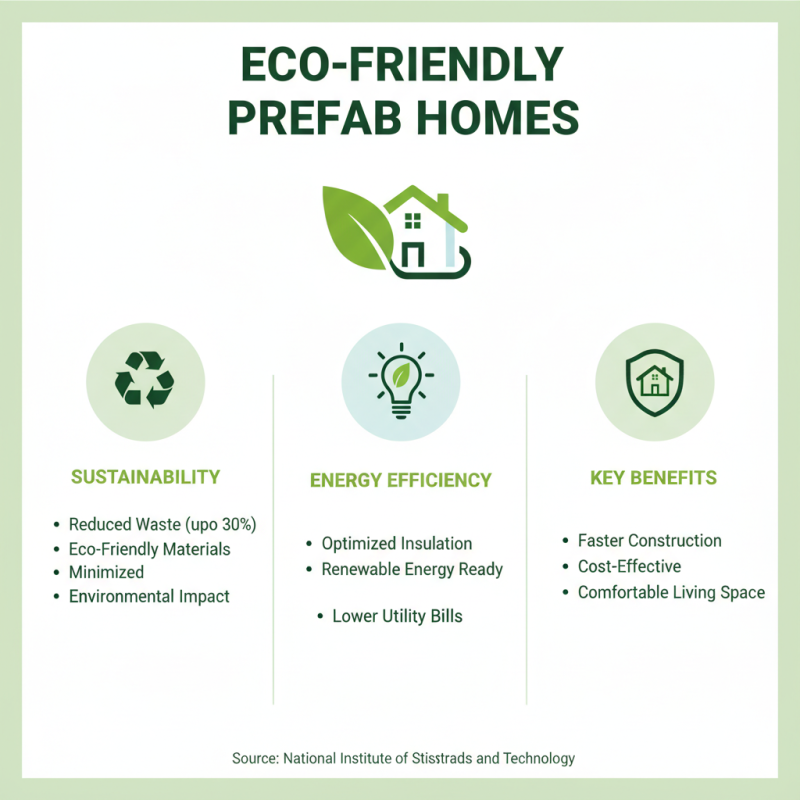
Prefab houses are becoming popular for their sustainability and energy efficiency. These homes often use eco-friendly materials and designs that minimize environmental impact. A study from the National Institute of Standards and Technology indicates that prefab construction can reduce waste by up to 30%. This method helps conserve resources while creating a comfortable living space.
Energy efficiency is another significant advantage. Many prefab homes come with high-quality insulation and energy-efficient windows. According to the U.S. Department of Energy, well-insulated homes can save homeowners 20-30% on heating and cooling costs. This can lead to significant long-term savings, benefiting both your wallet and the planet.
Tip: When considering a prefab house, look for certifications. Check for LEED or Energy Star ratings. They often indicate superior energy efficiency. Also, assess where materials are sourced. Local materials typically have a lower carbon footprint.
Sustainability is crucial, but some challenges exist. Not all prefab homes meet eco-friendly standards. This makes research essential. Buyers should compare designs and ask for information about material sourcing. Evaluate how each option performs in different climates. A thoughtful approach will lead to a more sustainable choice.
Design Flexibility: Customization Options in Prefab Housing Models
Prefab houses offer remarkable design flexibility, allowing homeowners to create personalized spaces. Each model comes with various customization options. You can choose layouts that suit your lifestyle. Want an open space? Or maybe a cozy nook? The choice is yours.
Interior finishes can be tailored as well. Select colors and materials that reflect your personality. Whether you prefer modern aesthetics or rustic charm, there’s room for creativity. Yet, some may find it overwhelming. Too many choices can lead to decision fatigue.
Exteriors can also be customized. You might envision a specific roof style or exterior cladding. These details impact not only appearance but also functionality. However, it's easy to overlook practical aspects. Focusing too much on looks may result in neglecting energy efficiency. Consider utility costs against aesthetic values for a balanced approach.
Top Benefits of Prefab Houses: Design Flexibility
Conclusion
Prefab houses offer numerous advantages that make them an appealing option for modern homebuyers. One of the most significant benefits is cost-effectiveness; these homes can save substantial amounts on construction and labor costs compared to traditional building methods. Additionally, the speed of construction is a major draw, allowing homeowners to move in faster thanks to streamlined manufacturing processes.
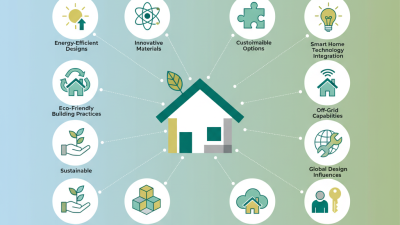
Moreover, prefab houses are designed with sustainability in mind, emphasizing energy efficiency and eco-friendly practices. Buyers also enjoy design flexibility, as these homes can be customized to meet individual preferences and needs. Lastly, quality control is ensured through factory production, which maintains high standards of structural integrity. With these compelling benefits, it’s clear why you should consider prefab houses for your next home.