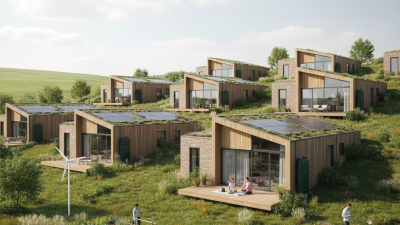
Discover the Benefits of Modern Modular Homes in China
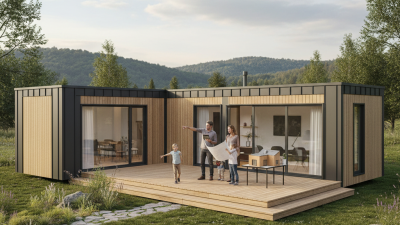
In recent years, the rise of modern modular homes in China has caught the attention of many. These innovative structures emphasize efficiency and sustainability. "Modern modular homes offer flexibility and speed in construction," says Dr. Xiaoming Chen, an expert in sustainable architecture. His insight highlights the transformative potential of these homes.
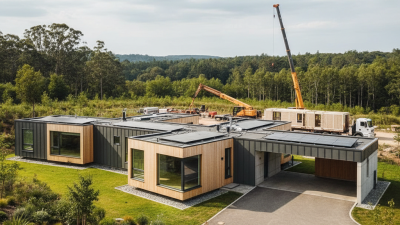
Unlike traditional housing, modern modular homes are prefabricated and assembled on-site. This process often leads to reduced waste and shorter build times. Homebuyers can choose from customizable designs, creating spaces that reflect their personal style. However, some may worry about the long-term durability of these structures compared to conventional homes.
The popularity of modern modular homes comes with challenges. While they provide quick solutions to housing demands, quality control remains a concern. Additionally, not all buyers are familiar with this innovative approach. As the industry evolves, increased awareness and education will be crucial for potential homeowners.
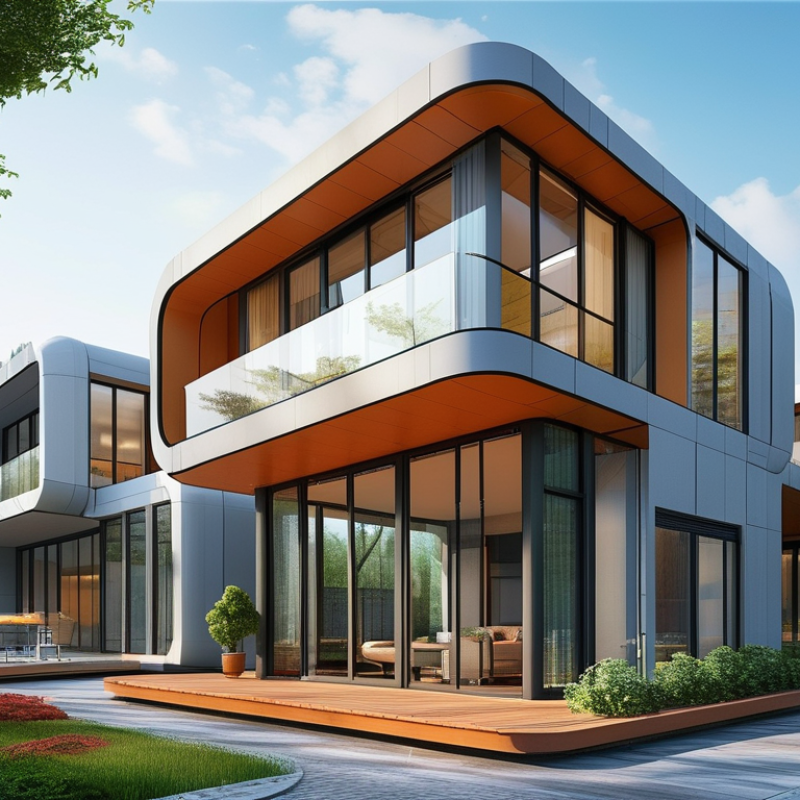
Benefits of Modular Homes: A Comparative Analysis in the Chinese Market
Modular homes are gaining popularity in China for various reasons. They offer a faster construction timeline compared to traditional homes. This speed benefits developers and buyers alike. Additionally, modular homes can be more cost-effective. This affordability is crucial in a rapidly urbanizing nation like China.
Sustainability is another measurable advantage of modular homes. Many modular units use eco-friendly materials and efficient designs. They often feature energy-saving technologies which reduce long-term costs. However, this shift towards green building practices is still underway. Some buyers are hesitant due to a lack of information or misconceptions about modular quality.
It’s important to consider local regulations and land use policies. Not all regions are as welcoming to modular construction. Potential homeowners should do thorough research before committing. Engaging with professionals can provide insight into specific challenges. Understanding your local market is essential for making informed decisions.
Discover the Benefits of Modern Modular Homes in China - Benefits of Modular Homes: A Comparative Analysis in the Chinese Market
| Feature |
Traditional Homes |
Modular Homes |
Advantages |
| Construction Time |
6-12 months |
3-6 months |
Quicker occupancy, reduced labor costs |
| Cost |
¥2,500 - ¥3,500 per square meter |
¥1,800 - ¥2,800 per square meter |
Lower overall cost, more affordable options |
| Energy Efficiency |
Moderate |
High |
Reduced utility bills, sustainable options |
| Customization |
Limited |
High |
Personalized designs, tailored layouts |
| Sustainability |
Variable |
High |
Environmentally friendly materials, waste reduction |
| Mobility |
Fixed |
Portable |
Relocatable, ideal for changing needs |
Cost Efficiency of Modular Homes Compared to Traditional Construction Methods
Modular homes in China are gaining traction due to their cost efficiency. These homes are built off-site in a factory setting. This method often reduces labor costs and minimizes material waste, leading to significant savings. Compared to traditional construction, modular homes can be completed in a fraction of the time. This is appealing in a fast-paced market where speed is essential.
The financial benefits extend beyond just initial construction costs. Reduced energy consumption during the building process contributes to lower operational expenses. Additionally, many modular homes are designed with energy efficiency in mind, which can lead to long-term savings on utility bills. However, challenges exist. The perception of modular homes as inferior or less durable can affect buyer interest.
Investors and builders must navigate these perceptions carefully. Education about the quality standards and longevity of modular homes is vital. Balancing cost savings with quality assurance is an ongoing reflection in the industry. As the market evolves, understanding these dynamics will help foster acceptance of modular construction methods in China.
Cost Efficiency of Modular Homes Compared to Traditional Construction Methods
Sustainability Features of Modern Modular Homes: A Growing Trend in China
Modern modular homes are becoming increasingly popular in China. They offer unique sustainability features that appeal to environmentally conscious buyers. These homes are built using prefabricated components, which reduces construction waste. Less waste means a smaller ecological footprint.
Energy efficiency is another critical aspect of modular homes. Many designs incorporate solar panels and superior insulation. This can significantly lower energy bills for homeowners. Air quality is often better in modular homes as well. Advanced ventilation systems help reduce indoor pollutants.
However, challenges remain in the industry. Not all modular homes are created equal. Some may lack the high-quality materials needed for longevity. Potential buyers should conduct thorough research on builders. Understanding local zoning laws is essential too. Sustainability can sometimes clash with regulatory constraints. It is vital to strike a balance between eco-friendly designs and legal compliance.
Technological Advancements Enhancing Modular Home Designs and Functionality
Modern modular homes are transforming the housing landscape in China. Technological advancements play a crucial role in enhancing these designs. For example, innovative construction techniques significantly reduce build times. Prefabricated materials ensure higher quality and precision. This efficiency appeals to environmentally conscious buyers.
Many modern modular homes now feature smart home systems. These systems offer convenience and energy savings. Homeowners can control lighting and temperature remotely. However, not all designs integrate technology smoothly. Some may require additional investment for upgrades. Nonetheless, the potential benefits are considerable.
Sustainability is another key factor driving modular home popularity. Improved insulation and energy-efficient designs reduce environmental impact. Yet, the challenge lies in educating consumers about these benefits. Many still view traditional houses as more reliable. This perspective can slow the adoption of these innovative homes. Addressing these perceptions will be essential for the future of modular living.
Market Growth and Consumer Adoption Rates of Modular Homes in Urban China
The modular homes market in urban China is witnessing significant growth. As urbanization accelerates, the demand for affordable housing increases. Modular homes offer a solution through efficient construction processes. These homes can be built in a fraction of the time compared to traditional methods. Consumers are becoming more aware of the benefits these homes provide. Many appreciate the energy efficiency and sustainability options available.
Adoption rates for modular homes are on the rise. More city dwellers are recognizing their potential. However, challenges remain in terms of public perception. Some view modular homes as inferior, lacking the charm of conventional houses. This perception can hinder growth. Education about modular construction techniques is crucial. Highlighting durability and design options can shift public opinion over time.
As more families choose modular homes, manufacturers are adapting. They strive to create products that meet consumer needs better. Yet, a gap still exists in understanding the long-term value of modular living. Homebuyers need reliable information and real-life examples to bolster their confidence. With continued efforts, the market may overcome these barriers, leading to further adoption and innovation.